



Oklahoma Goldback Gold Note: A Collector’s Perspective and Comparison Guide
How the 1 Oklahoma Goldback Stands Out in the World of Fractional Gold Collectibles
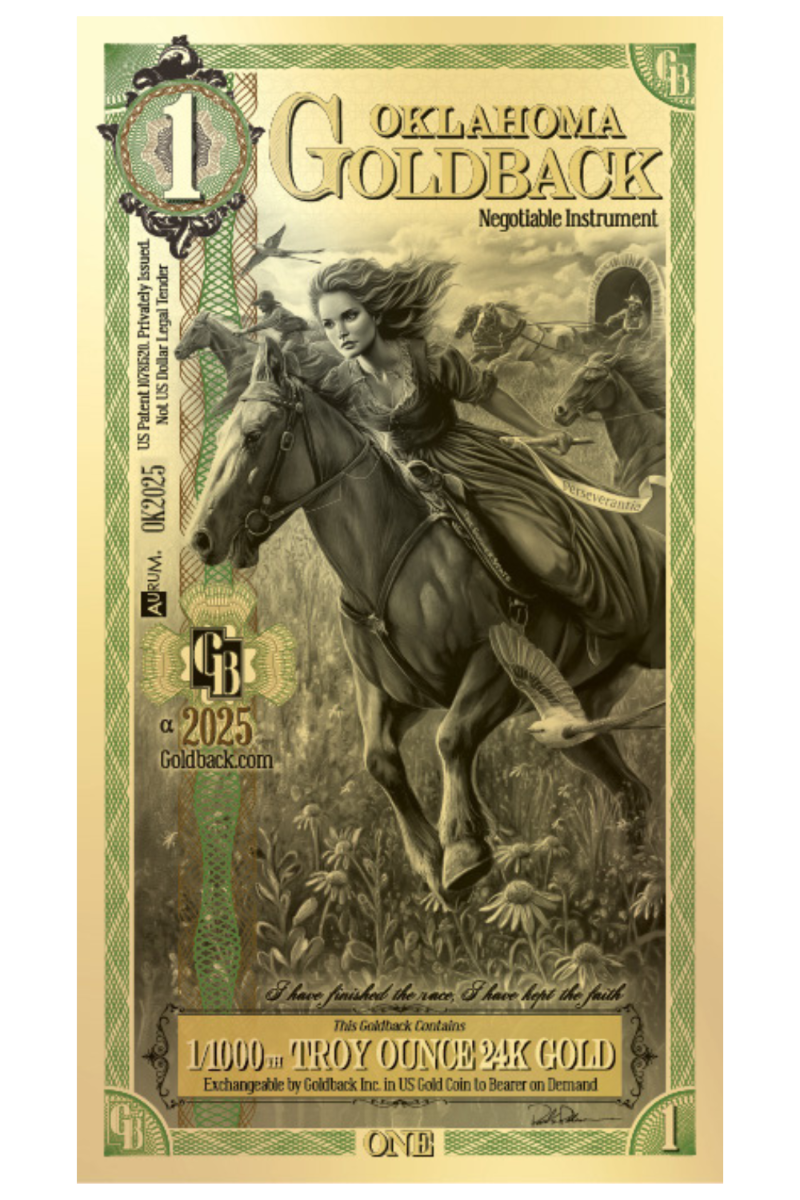
In the expanding universe of fractional gold products, the 1 Oklahoma Goldback Gold Note carves out a unique niche. As a physical gold note containing precisely 0.001 troy ounce of .9999 fine gold, it merges the tactile appeal of currency with the enduring value of precious metals. This hybrid identity has sparked growing interest among collectors and bullion enthusiasts alike, especially those seeking alternatives to traditional coins and bars. The Goldback series, with its artistic design and innovative manufacturing, offers a new way to experience gold ownership.
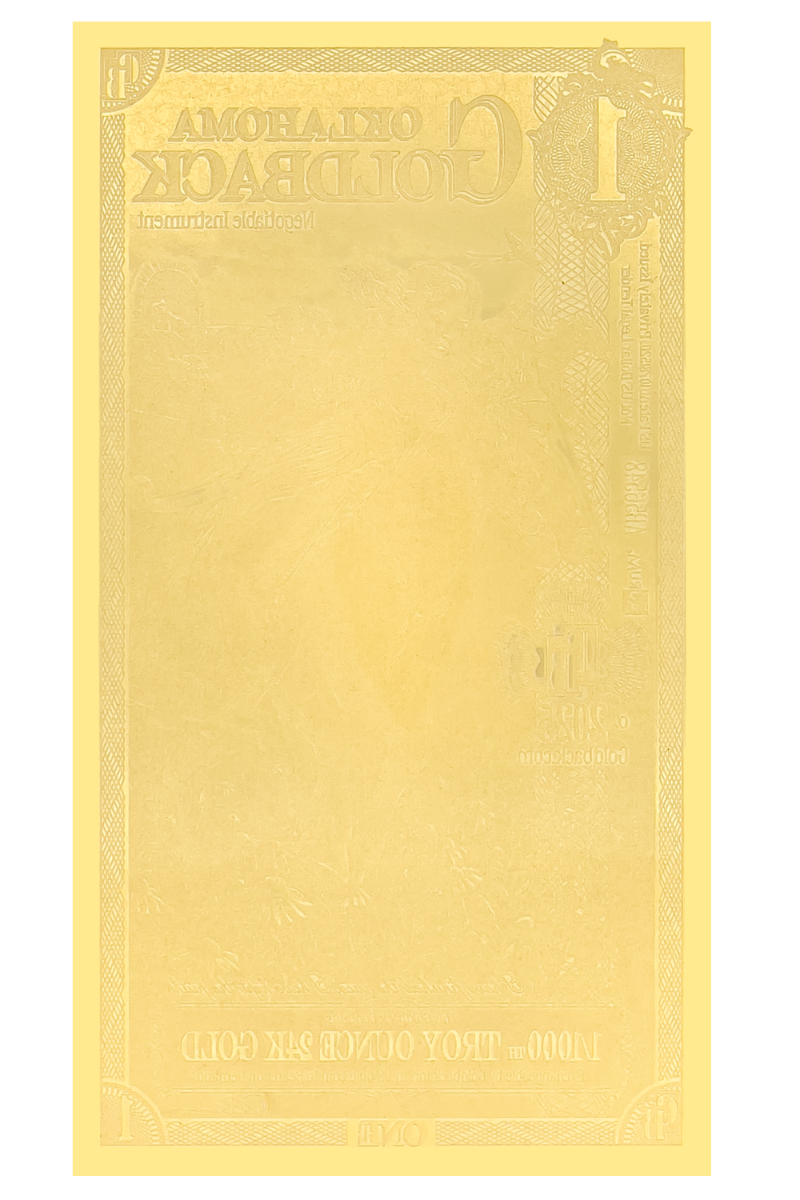
The Goldback’s most striking difference from typical bullion is its form factor. Unlike coins or bars, it resembles a paper note, though it is actually constructed with layers of polymer sandwiched around a precise layer of pure gold. This method not only preserves the gold content but also produces a flexible, durable product that can be handled without fear of immediate wear or loss of value. For many, the tactile and visual aspects are as compelling as the precious metal content itself.
When comparing the 1 Oklahoma Goldback to other fractional gold options, such as 1/10 oz coins or tiny bullion bars, the Goldback’s gold weight is considerably less. At 0.001 troy ounce, it stands at just one-tenth the gold content of most fractional coins. This extremely small amount makes the Goldback far more accessible in terms of upfront cost. For collectors or new investors with limited budgets, the ability to own .9999 fine gold for just over $8 (as of this writing) makes it a low-barrier entry point. That said, the premium per ounce is higher compared to standard bullion coins, a factor worth considering for those prioritizing gold weight over collectibility.
Collectibility is where the Goldback truly shines. Each note features intricate artwork unique to its series, often reflecting local cultural motifs and artistic styles. The Oklahoma Goldback, for example, showcases designs that pay homage to the state’s heritage and values, making it appealing to both local enthusiasts and those drawn to the broader Goldback collection. Its limited production and serial numbering further enhance its desirability among collectors, who often seek complete sets or specific issues. This element of scarcity can drive secondary market interest in ways standard bullion rarely achieves.
In contrast, traditional fractional coins and bars, such as those produced by major mints, offer a different set of advantages. Coins like the 1/20 oz or 1/10 oz gold pieces are globally recognized, easily resold, and typically track the spot price of gold more closely. Their established reputation makes them ideal for buyers focused on liquidity and metal content. Bars, even small ones, provide a no-frills approach for those wanting to accumulate gold as efficiently as possible. However, these products lack the artistry and collectibility that have become hallmarks of the Goldback series.
Another aspect to consider is the intended use. Goldbacks are designed with the concept of local barter or small-scale transactions in mind. Their low gold content and durable construction make them theoretically suitable for trade in the event of economic disruption, though their acceptance remains limited to certain communities and enthusiasts. While the practical use of Goldbacks as currency is still evolving, the idea resonates with buyers who value preparedness or envision scenarios where fractional, recognizable gold could be useful.
For the collector, the Goldback’s appeal is multifaceted. It serves as both a conversation piece and a tangible connection to an innovative chapter in modern bullion history. Those who appreciate fine design and the evolution of money will find the Goldback compelling. Conversely, the investor whose sole concern is gold accumulation at the lowest possible premium will likely gravitate toward conventional coins or bars. There is no single right answer, but understanding these distinctions helps buyers choose what aligns best with their goals.
It is also important to note the role of authenticity and security. The Goldback’s advanced production process makes counterfeiting extremely difficult, and each note is individually serialized. This provides peace of mind for collectors and buyers, especially when purchasing from reputable dealers. Traditional coins and bars rely on established mint marks and security features, offering their own assurances. Ultimately, trust in the product and the seller remains paramount regardless of the format.
In summary, the 1 Oklahoma Goldback Gold Note occupies a distinctive place in the precious metals landscape. Its combination of ultra-fractional gold content, artistic design, and collectibility sets it apart from conventional options. For those who value creativity, accessibility, and the potential for future barter, the Goldback is an attractive addition to any collection. For buyers driven by gold content and liquidity, more traditional forms may be preferable. By understanding the strengths and trade-offs of each, collectors and investors can make informed decisions that suit their preferences and objectives.
Whether viewed as a collectible, a novelty, or a hedge for uncertain times, the Oklahoma Goldback exemplifies innovation in the bullion market. Its growing popularity suggests that the lines between precious metal investment and artistic appreciation may continue to blur. As with any precious metal purchase, evaluating your reasons for buying is crucial. The Goldback offers a distinctive way to participate in the world of gold, especially for those who appreciate a blend of artistry and tangible value.

