




Evaluating the 2014 Texas Silver Round: An Investment Perspective
A Closer Look at Liquidity, Recognizability, and Portfolio Value
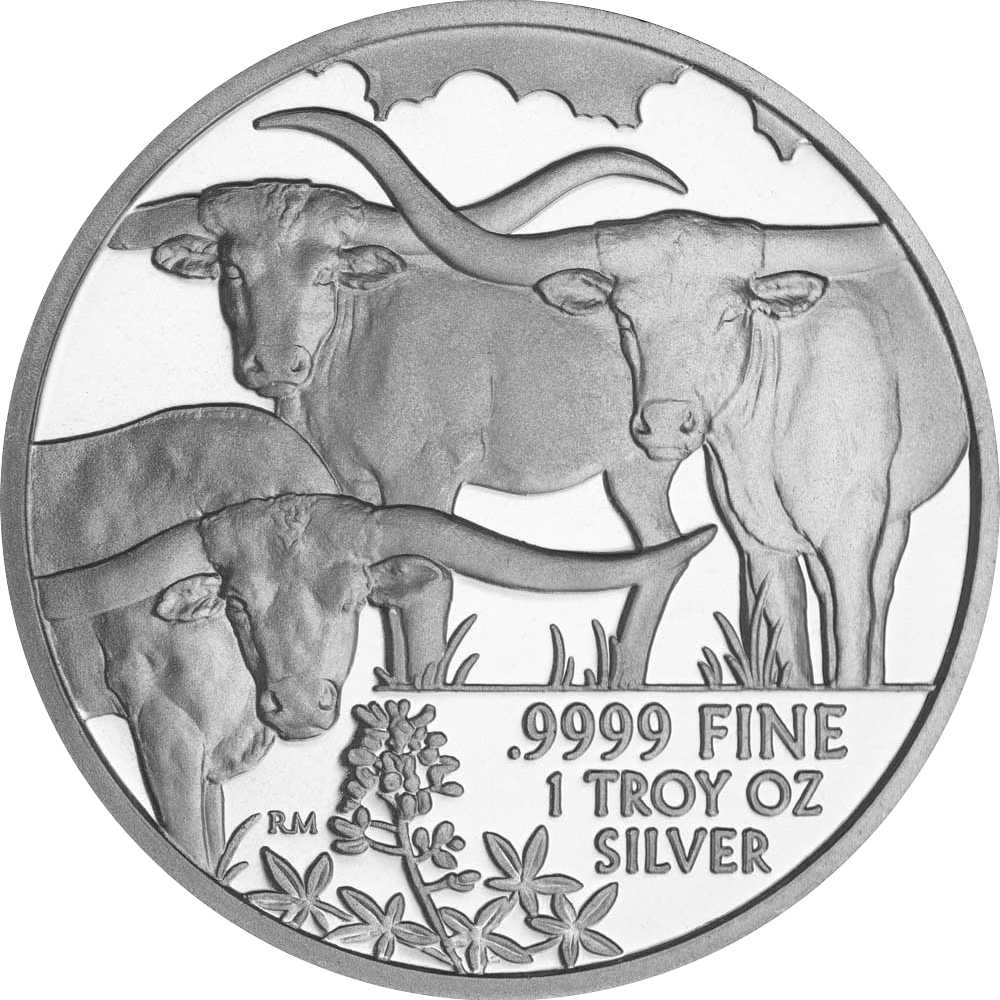
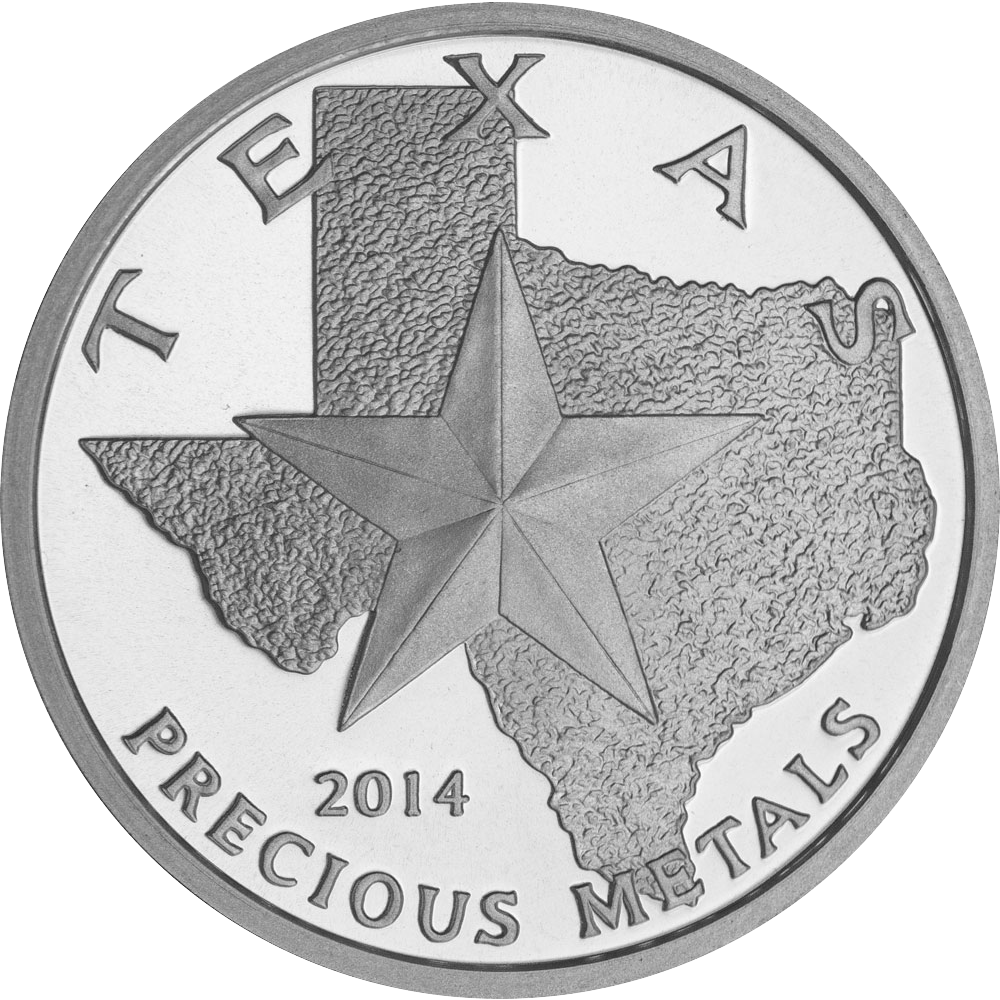
Investors seeking tangible diversification often gravitate toward silver bullion, and the 2014 Texas Silver Round stands as a noteworthy candidate in this category. Crafted from .9999 fine silver and weighing one troy ounce, this round distinguishes itself from more generic options through its purity and unique design. Yet, as with any precious metal investment, understanding its place within a broader portfolio requires careful consideration of its liquidity, recognizability, premium, and practical role.
One of the first questions any prudent investor should ask is how easily a particular bullion piece can be bought or sold. Liquidity is a function of both market demand and the ability to establish authenticity. The 2014 Texas Silver Round, with its high silver content and quality production, is generally well-received among collectors and investors familiar with American bullion products. However, it is not a government-issued coin. This means while it is readily tradable within the collector and specialty bullion community, it may not be quite as liquid as widely recognized government coins like Eagles or Maples in all market environments.
Recognizability is closely tied to liquidity and influences how quickly and at what price a silver round can be sold. The unique design elements and branding of the Texas Silver Round lend it a distinct identity, which can appeal to those who appreciate themed bullion. For investors, this recognizability can be a double-edged sword. While enthusiasts and collectors may pay a premium for rounds with strong regional or thematic significance, investors primarily concerned with metal content may find that less recognizable designs sometimes require additional verification before a transaction, potentially slowing down the resale process.
Premium over spot price is a central concern for bullion investors. The 2014 Texas Silver Round typically trades at a higher premium compared to generic silver rounds, reflecting its high purity and limited mintage. This premium represents the amount paid above the intrinsic value of its silver content. Some investors are comfortable paying this additional amount for rounds with artistic or numismatic appeal, especially if they believe there will be continued or growing demand in the future. Others, focused strictly on raw silver accumulation, may prefer the lowest-cost option per ounce they can obtain.
Comparing the Texas Silver Round to generic or “blank” bullion illustrates a key investment trade-off. Generic rounds tend to offer the lowest premiums and are primarily valued for their melt content, making them ideal for those seeking maximum ounces for their dollars. The Texas Silver Round, with its detailed design and higher purity, may carry a slightly higher resale value among collectors but commands a higher upfront price. Understanding this distinction helps investors decide whether they value liquidity and recognizability over cost-minimization.
Within a balanced investment portfolio, silver rounds like the 2014 Texas Silver Round can fulfill several roles. They provide direct exposure to physical silver, which has historically acted as a hedge against inflation and currency risk. Additionally, rounds with unique designs can serve as conversation pieces or gifts, potentially creating added personal or sentimental value. However, investors should keep in mind that collectible value can be subjective and may fluctuate based on prevailing tastes and market conditions.
There are honest advantages to owning a product like the Texas Silver Round. Its .9999 purity means it meets or exceeds the standards required by most precious metals dealers and refineries, supporting its long-term liquidity. The round’s detailed design and association with a reputable private mint can foster trust and recognition among buyers. Furthermore, for those who appreciate artistry in their bullion, the Texas Silver Round offers more than just raw metal content.
However, the higher premium means investors are exposed to greater price volatility relative to the underlying silver spot price, especially if collector demand softens. Unlike legal tender coins, this round does not have a face value, which in some rare cases can be a consideration for those worried about future regulatory changes or legal definitions. While these risks are generally minor in a stable market, they are worth acknowledging in the context of total portfolio management.
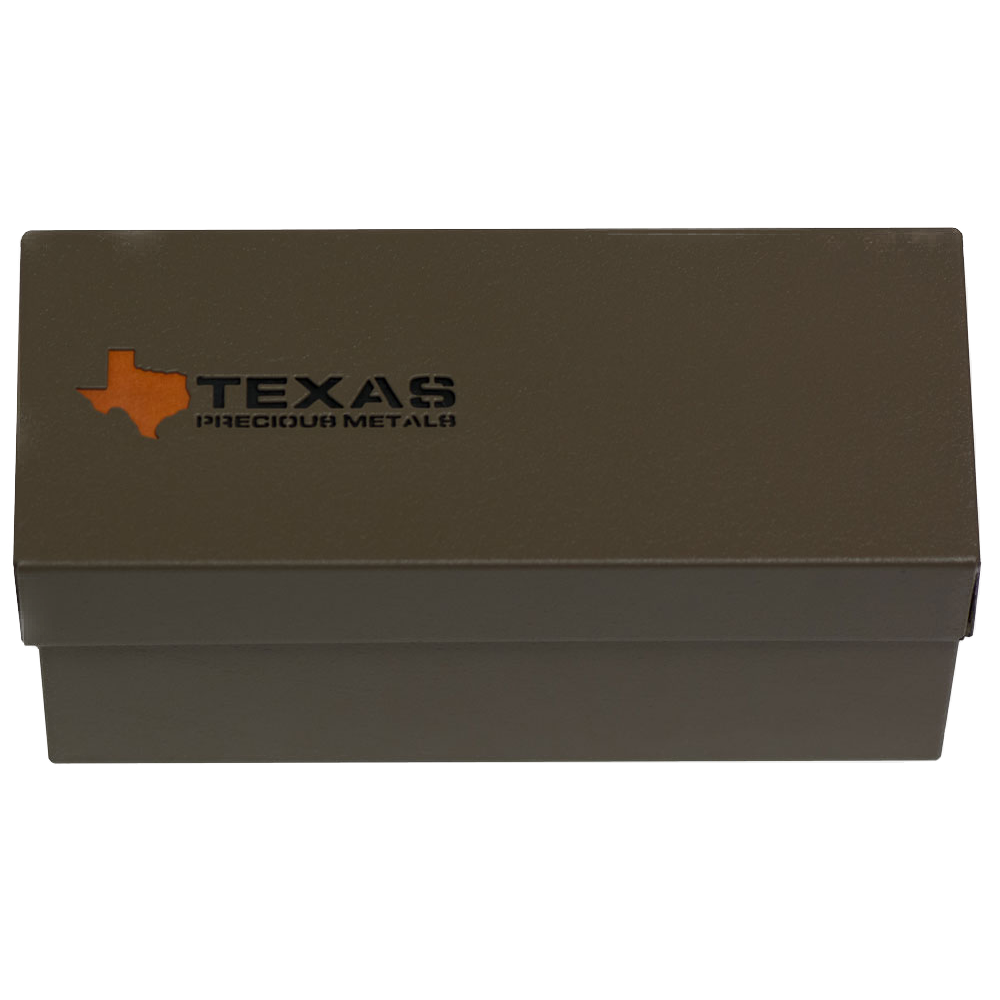
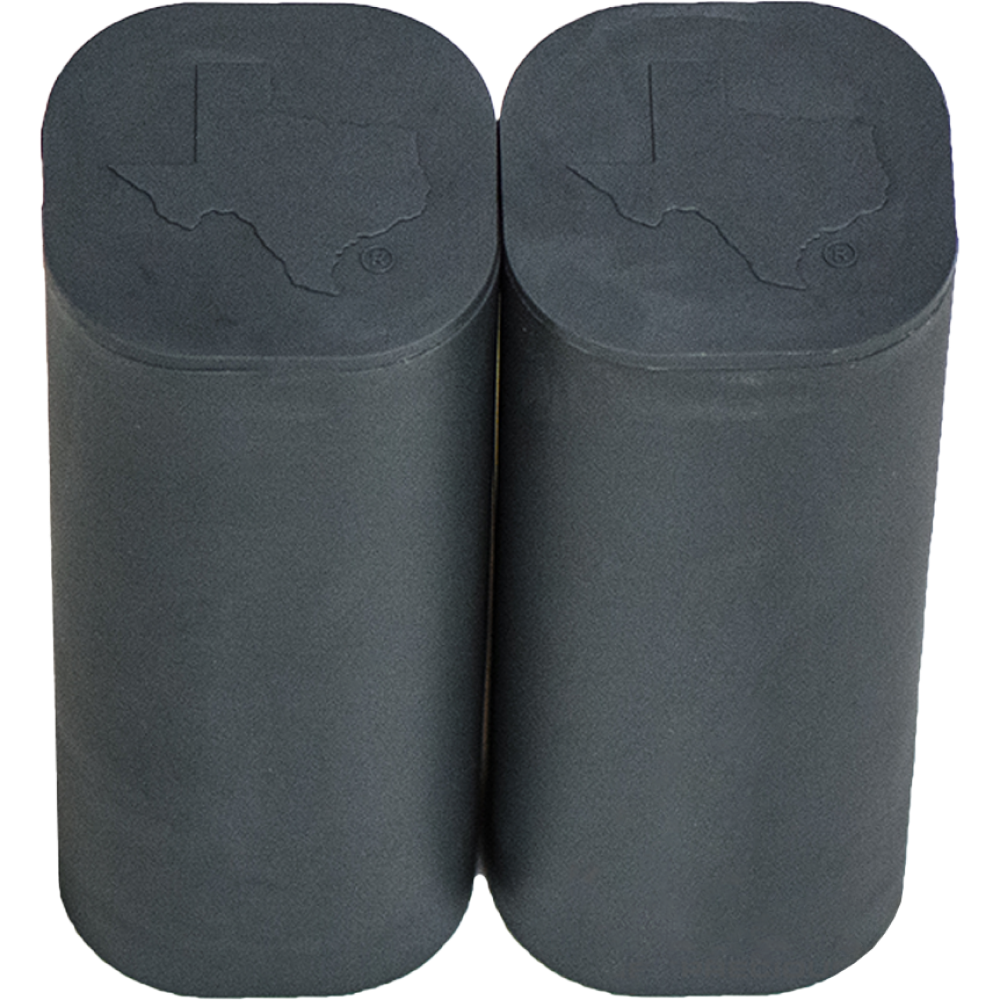
Practicality is another important factor. The 1-ounce weight makes the Texas Silver Round easy to store, divide, and transport, which is advantageous for investors who may need to liquidate in small increments. The round’s purity and craftsmanship often come with accompanying certificates or packaging, further supporting its authentication in the secondary market. Nonetheless, investors should store such rounds securely and retain any original documentation to maximize resale value.
Ultimately, the 2014 Texas Silver Round occupies a niche between generic bullion and government-minted coins. For those who value a blend of purity, artistry, and potential collectability, it represents a credible addition to a precious metals portfolio. Investors focused solely on the lowest cost per ounce may look elsewhere, but for many, the Texas Silver Round’s unique attributes justify its place among a diversified holding of physical silver.
In summary, the decision to include the 2014 Texas Silver Round in an investment portfolio comes down to individual priorities: liquidity, recognizability, and premium costs all play significant roles. By understanding these factors and aligning them with personal investment goals, buyers can make informed choices that suit both their financial objectives and their appreciation for fine silver craftsmanship.

