




The 2020 Texas Silver Round: An Investment Perspective on Premium Silver Collectibles
Balancing Liquidity, Recognizability, and Value in Your Precious Metals Portfolio
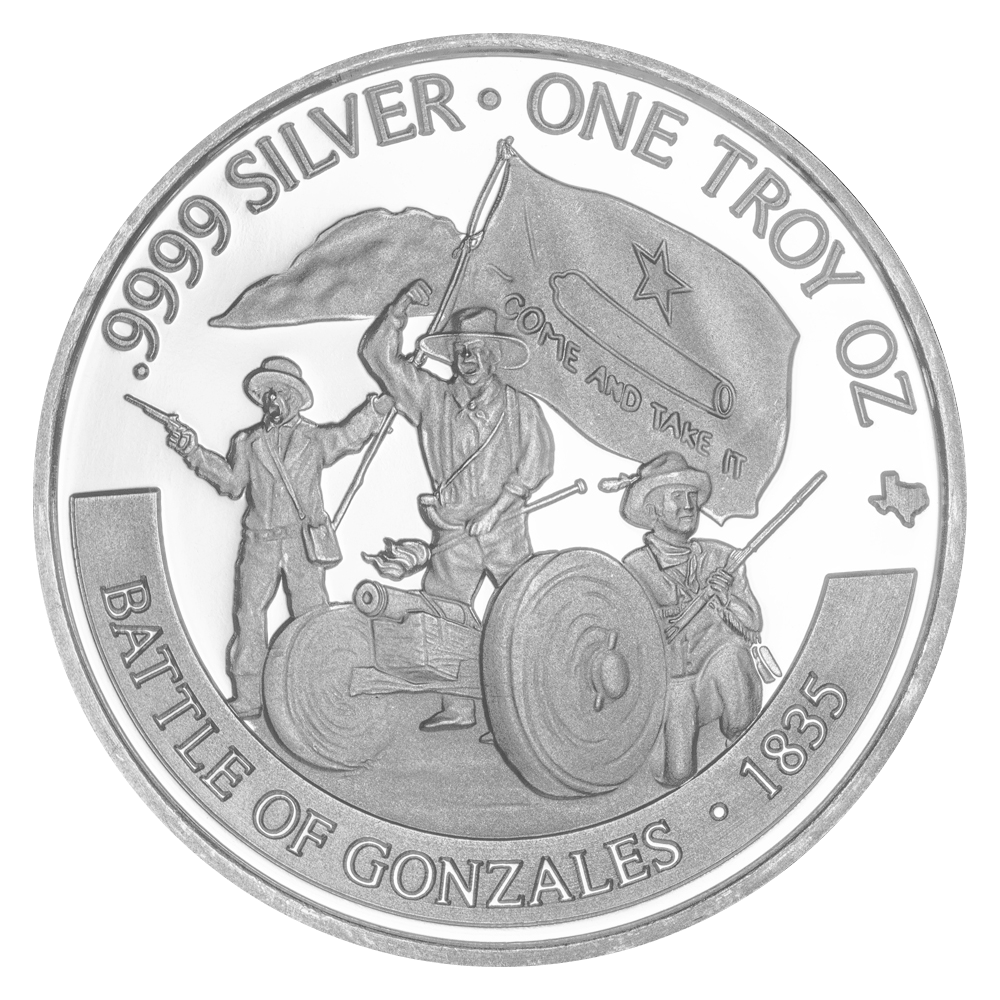
Investing in physical silver often means choosing between generic bullion bars, government-minted coins, and specialty rounds. Each carries its own set of considerations regarding liquidity, recognizability, and premium. The 2020 Texas Silver Round, part of the Revolution Series, offers a unique case study for those seeking to diversify precious metals holdings with something beyond the usual fare. Crafted from .9999 fine silver with a weight of one troy ounce, this round aims to bridge the gap between pure bullion and collectible art.
One of the first aspects to evaluate in any silver investment is liquidity. Liquidity refers to how quickly and easily an asset can be sold for cash at or near its market value. Generic silver rounds and bars are typically easy to sell due to their standard weights and known metal content. The 2020 Texas Silver Round, although not a government-issued coin, maintains high liquidity for a few reasons. Its one-ounce format is universally recognized in the bullion market, and its .9999 purity meets or exceeds the standards of most refiners and buyers. This ensures that, even in private transactions, there is little ambiguity about its intrinsic value.
Recognizability plays a crucial role in the resale value of any silver product. While government-minted coins like the American Silver Eagle or Canadian Maple Leaf are instantly familiar to most dealers and collectors, private mint rounds can sometimes face skepticism. The Texas Silver Round, however, benefits from the reputation of its mint and its detailed, thematic design. The Revolution Series, in particular, is known among collectors and investors for its historical motifs and high production standards. This familiarity can help the round retain a slight edge in recognition compared to generic rounds, which may be plain or carry unfamiliar branding.
The question of premiums is central when evaluating whether to choose a specialty round like the 2020 Texas Silver Round or stick with low-cost generic bullion. Premium refers to the amount paid above the spot price of silver. Specialty rounds often carry higher premiums due to their design, limited mintage, and collector appeal. At a starting price of $78.60, this round commands a significant premium over generic bullion, which typically tracks much closer to the spot price. This premium reflects not only the inherent silver content but also factors like artistry, brand reputation, and potential collectibility. While premiums can fluctuate over time, buyers should be aware that recovering this additional cost may depend on future demand among collectors and enthusiasts.
For investors, understanding the role of specialty rounds in a diversified portfolio is important. Pure bullion products are often acquired for their metal content alone, acting as a hedge against inflation, currency devaluation, or economic instability. Specialty rounds like the 2020 Texas Silver Round add another layer: potential numismatic appreciation. While the value of silver provides a base, limited-edition rounds can sometimes appreciate due to rarity or increased collector interest. However, this is not guaranteed, and the market for specialty rounds can be more volatile than for widely recognized coinage. As such, these products may be best used as a complement to, rather than a replacement for, core bullion holdings.
The technical specifications of the 2020 Texas Silver Round matter for several reasons. A .9999 silver purity places it among the purest products available, which can be reassuring for investors who desire the highest possible metal content. Some refiners and buyers may offer slightly better terms for .9999 versus .999 products, though this difference is usually marginal. The official weight of one troy ounce means the round will be easy to value and trade, as most buyers are accustomed to this standard size. The lack of a face value sets it apart from legal tender coins, which may have certain advantages in tax or reporting situations, depending on jurisdiction. However, for most investors, the intrinsic metal value remains the primary consideration.
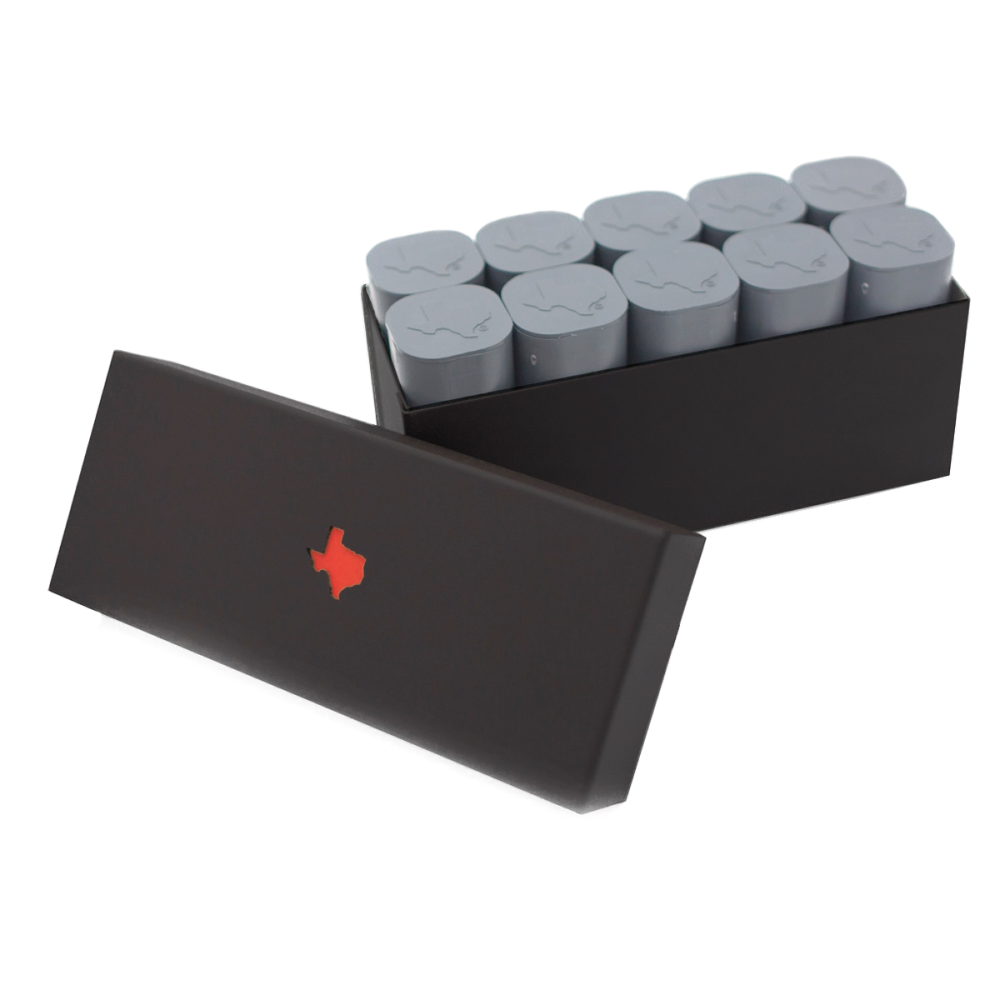
There are honest pros and cons to consider when investing in a product like the 2020 Texas Silver Round. On the positive side, the round offers a combination of high purity, aesthetic appeal, and brand recognition, which can make it more attractive to both investors and collectors. It can serve as an intriguing conversation piece and may carry additional upside if the series becomes more widely collected in the future. The round is also relatively easy to store and transport, benefiting from the compactness and durability typical of silver rounds.
On the downside, the higher premium means a larger portion of the purchase price is tied up in factors other than raw silver content. If the secondary market does not value the round for its design or rarity, it may sell closer to melt value, eroding the premium paid. Additionally, while the round is well-known among certain collectors, it does not enjoy the universal recognizability of government-issued coins, which can sometimes make resale slower or more uncertain in less specialized markets. Finally, the lack of a face value removes any nominal legal tender status, which may be a relevant consideration for some buyers.
In practice, the 2020 Texas Silver Round is best suited for those who appreciate both the tangible security of silver and the added dimension of artistic or historical significance. It can offer a unique point of differentiation within a broader precious metals allocation, appealing to those who enjoy collecting as much as investing. For those who prioritize the lowest cost per ounce and maximum liquidity, more generic options may be preferable. Ultimately, the choice comes down to individual goals, preferences, and risk tolerance.
For investors considering diversification, specialty rounds like this one can provide some insulation from fluctuations in the spot price of silver, especially if collector demand grows. However, this potential should be seen as a bonus rather than a guarantee. The core value proposition remains rooted in the metal content, with collectibility offering possible, but unpredictable, upside. Thoughtful investors will weigh these factors carefully, balancing their desire for unique products with the fundamental principles of sound precious metals investing.
In summary, the 2020 Texas Silver Round from the Revolution Series represents a thoughtful blend of purity, craftsmanship, and collector appeal. It is neither purely bullion nor purely numismatic, instead offering a hybrid choice for those interested in both silver’s intrinsic value and the stories it can tell. Investors who understand the dynamics of liquidity, recognizability, and premiums will be best positioned to decide whether this distinctive round belongs in their portfolio.

