



The 1 South Dakota Goldback Gold Note: A Collector and Comparison Guide
Evaluating the Unique Appeal, Collectibility, and Alternatives for Bullion Buyers
In the evolving world of physical gold investing and collecting, few products have generated as much curiosity as the Goldback series. The 1 South Dakota Goldback Gold Note, a thin, flexible piece of spendable gold, stands out for its innovative format and approach to fractional gold ownership. For collectors and bullion buyers alike, evaluating how this gold note compares to other small-denomination gold products is key to making an informed decision.
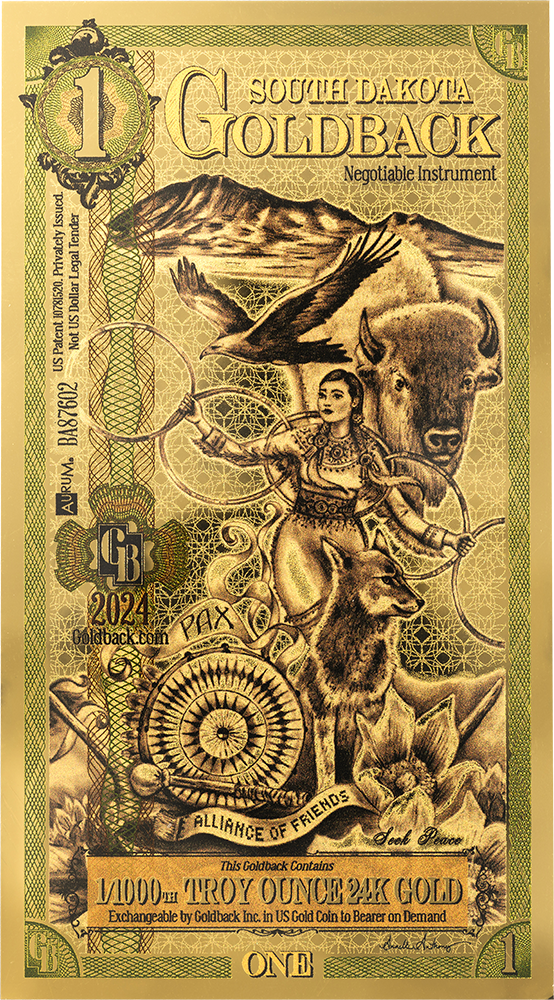
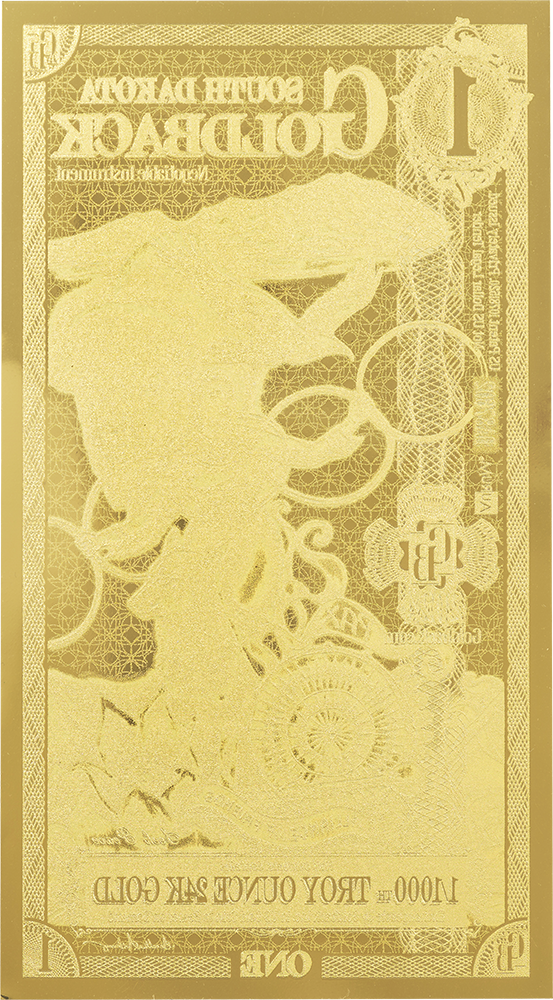
One of the most compelling aspects of the South Dakota Goldback is its physical composition. Each note contains precisely 1/1000 troy ounce of .9999 fine gold. This ultra-fine purity means the gold content is of the highest standard, matching the quality of most premier bullion coins and bars. The format, however, is what truly sets it apart. Unlike traditional coins or bars, the Goldback is crafted into a thin, flexible note, making it both tactile and visually striking. The gold is permanently bonded within layers of a durable polymer, ensuring both the protection of the gold and the resilience of the note for handling and display.
Comparing the 1 Goldback Gold Note to traditional fractional gold coins, such as 1/20 or 1/10 ounce gold coins, reveals important distinctions. Fractional coins typically offer higher gold content per unit but come with proportionally higher premiums over spot price due to increased production costs relative to their weight. The Goldback, with its minute gold content and artistic design, appeals to buyers seeking both collectibility and accessibility, though buyers should be aware that the premium per ounce is significantly higher than for larger coins or bars. For those who value holding the smallest possible increment of physical gold, the Goldback is difficult to surpass.
From a collectibility perspective, the South Dakota Goldback is an intriguing option. Each issue features intricate designs that celebrate the state’s heritage, culture, and values, rendered with impressive detail for such a small canvas. The artwork, combined with the note’s unique feel and flexibility, makes it a standout for collectors who appreciate the merging of art and bullion. Limited production runs for each state and denomination further enhance the collectibility, as new issues are often eagerly sought after by series enthusiasts and those aiming to complete full sets.
For buyers primarily interested in investment, the Goldback’s appeal is nuanced. Its high per-ounce premium means it is not the most cost-effective way to acquire gold purely for bullion stacking. Traditional bars and larger coins remain the most economical option for maximizing gold content per dollar. However, the Goldback offers something these conventional products cannot: the possibility of true fractional trading and barter. The note’s small gold content and flexible format lend themselves to potential use in micro-transactions, an attribute not easily matched by coins or bars.
When assessing alternatives, it’s important to consider other ultra-fractional gold products on the market. Some refiners offer 1/50 or 1/100 ounce gold bars, which, while physically small, are still rigid and more difficult to divide further. These products generally come with certificates and tamper-evident packaging, aimed at assuring authenticity but lacking the Goldback’s blend of artistic appeal and durability for everyday handling. For buyers who prioritize the tangible experience of holding and using gold, Goldbacks offer a distinctive and practical alternative.
Another aspect to consider is the liquidity of Goldbacks compared to traditional gold products. While any .9999 pure gold product has intrinsic value, Goldbacks are a relatively new entrant to the market. Their resale value depends in part on collector demand and recognition among dealers. In contrast, well-known fractional coins from major mints enjoy broad recognition and established secondary markets, making them easier to liquidate at competitive rates. Still, the rapidly growing collector base for Goldbacks is improving their liquidity year by year.
Ultimately, the choice between the South Dakota Goldback and other fractional gold options comes down to personal priorities. For those who value artistic design, innovation, and the possibility of using gold in everyday transactions, the Goldback offers unmatched appeal. Its combination of high-purity gold, collectible artwork, and durable construction makes it a conversation piece and a unique addition to any collection. On the other hand, buyers focused strictly on investment efficiency and resale may find traditional coins and bars better suited to their goals.
The Goldback also holds special appeal for gift-giving and educational purposes. Its note-like appearance, vivid artwork, and approachable price point make it an excellent introduction to physical gold for new collectors or younger generations. Whether as a conversation starter, a teaching tool about sound money, or a novel gift, the Goldback stands apart from more conventional bullion formats.
In summary, the 1 South Dakota Goldback Gold Note is a product that bridges the worlds of bullion and collecting in a way few other offerings can. Its small size, artistic merit, and innovative construction create a niche that appeals to both new and experienced buyers. While it is not the most cost-efficient way to acquire gold, it delivers unique value through its blend of aesthetics, practicality, and collectibility. For anyone seeking to diversify a precious metals portfolio with something both beautiful and functional, the Goldback is worthy of serious consideration.

