



The 1 Arizona Goldback Gold Note: Collectible Appeal and Comparisons in the Modern Bullion Market
Evaluating the Unique Place of Goldback Gold Notes Among Bullion Collectibles and Alternatives
As precious metals continue to fascinate both investors and collectors, the emergence of the Goldback Gold Note has introduced a novel twist to traditional bullion offerings. The 1 Arizona Goldback Gold Note, with its remarkable combination of artistry, fractional denomination, and pure gold content, offers a compelling alternative to coins and bars. Yet, for those considering an addition to their collection or investment portfolio, understanding how this product compares to other fractional gold items is essential. This article explores the collectibility, utility, and suitability of the Goldback Gold Note relative to similar options, providing clarity for anyone weighing their next purchase.
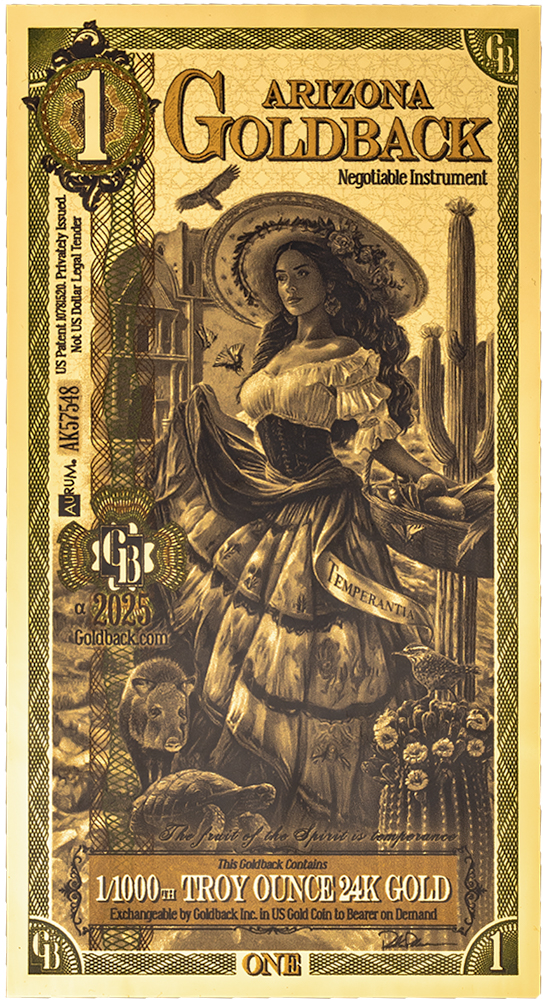
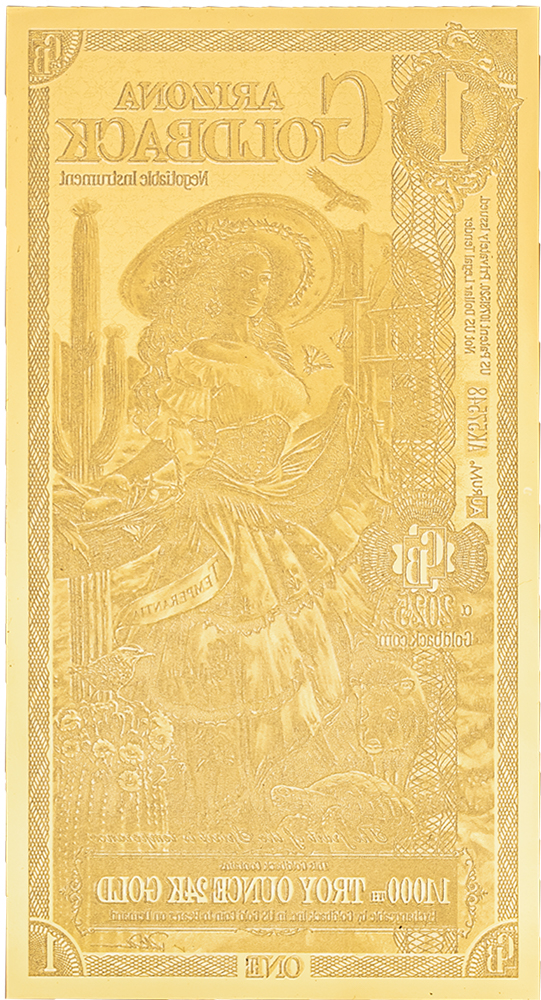
At the heart of the Goldback Gold Note’s appeal is its innovation in bullion form. Unlike conventional coins and bars, the Goldback is a thin, flexible note containing precisely 1/1000th of a troy ounce of .9999 fine gold. This ultra-fractional format is made possible through a vacuum deposition process that bonds pure gold onto a polymer substrate. For collectors, this technology is not just a novelty; it represents a unique intersection of numismatic artistry and cutting-edge manufacturing. The Arizona Goldback series features intricate designs celebrating regional themes, making each note a small piece of art as well as a store of value.
Collectors and investors who value accessibility will find the Goldback’s denomination particularly attractive. Not all precious metal products are within reach for buyers working with modest budgets. With a price point starting around $8.44, the 1 Arizona Goldback Gold Note lowers the entry barrier significantly. This makes it one of the most affordable ways to acquire physical gold, especially compared to fractional coins like 1/20 oz or 1/10 oz gold coins, which typically command much higher premiums per ounce. For those looking to build a collection incrementally or test the waters of gold ownership, the Goldback is a practical, low-risk option.
However, the Goldback’s advantages go beyond price and accessibility. Its flexibility and durability set it apart from traditional gold coins and bars, which can be prone to scratches, dents, or other damage. The Goldback note can be handled more freely thanks to its protective polymer layer. This makes it ideal for educational purposes, everyday handling, and even demonstration of the concept of gold as currency. For collectors who appreciate tangible interaction with their acquisitions, this is a noteworthy distinction.
When comparing the Goldback to more conventional bullion options such as gold bars and coins, it is important to consider their respective strengths. Standard bullion coins, like the American Gold Eagle or Canadian Maple Leaf, offer internationally recognized purity and weight, as well as strong resale liquidity. These coins are often favored by investors who prioritize ease of liquidation and established market value. Bars, especially those from reputable mints, offer a cost-effective way to acquire larger amounts of gold, usually with lower premiums per ounce. However, their larger denominations make them less accessible for incremental purchases or for use in barter scenarios.
Fractional gold coins occupy an interesting middle ground. While they allow for smaller investments, premiums over spot price can be substantial, particularly for very small denominations. Additionally, most fractional coins do not offer the artistic variety or novelty factor of the Goldback. For collectors who value visual appeal and unique themes, the Goldback’s detailed artwork and series-based releases provide an ongoing incentive to acquire new pieces, much like collecting stamps or paper currency. Each state’s series, including the Arizona edition, tells a story and can become a focal point for themed collections.
There are also practical considerations for those interested in using precious metals for barter or preparedness. Goldbacks are specifically designed to be used as local currency in certain markets, and their small denominations make them particularly well-suited for micro-transactions. In contrast, even the smallest gold coins or bars can be awkwardly large in value for everyday exchanges. While Goldbacks are not recognized as legal tender by governments, their acceptance in select communities and their clear display of gold content give them a unique edge in niche barter scenarios.
It is also important to note the limits of the Goldback compared to traditional bullion. The per-ounce cost of gold in Goldbacks is notably higher due to the labor-intensive manufacturing and the premium associated with its collectibility and novelty. Investors aiming to maximize gold holdings for the lowest possible premium may find conventional bars or widely traded coins a better fit. However, for those who prioritize artistic merit, flexibility, and the fun of collecting, the premium is often justified by the enjoyment and utility Goldbacks provide.
Ultimately, the choice between Goldbacks, fractional coins, and bars depends on a buyer’s primary motivation. For those seeking maximum gold for their dollar and long-term investment security, standard bars and coins remain the classic choice. For collectors who appreciate craftsmanship and wish to build a themed set, or for individuals interested in barter and preparedness, the 1 Arizona Goldback Gold Note stands out as a meaningful, versatile addition. Its combination of beauty, fractional denomination, and innovative technology ensures it will remain a conversation piece and a collectible for years to come.
In the ever-evolving world of precious metals, the Goldback Gold Note is more than a novelty. It represents a new way of thinking about gold ownership, blending tradition with innovation. Whether purchased for its artwork, its accessibility, or its potential utility, the 1 Arizona Goldback Gold Note invites both new and experienced buyers to see gold in a new light, offering a unique complement to any bullion collection.

