


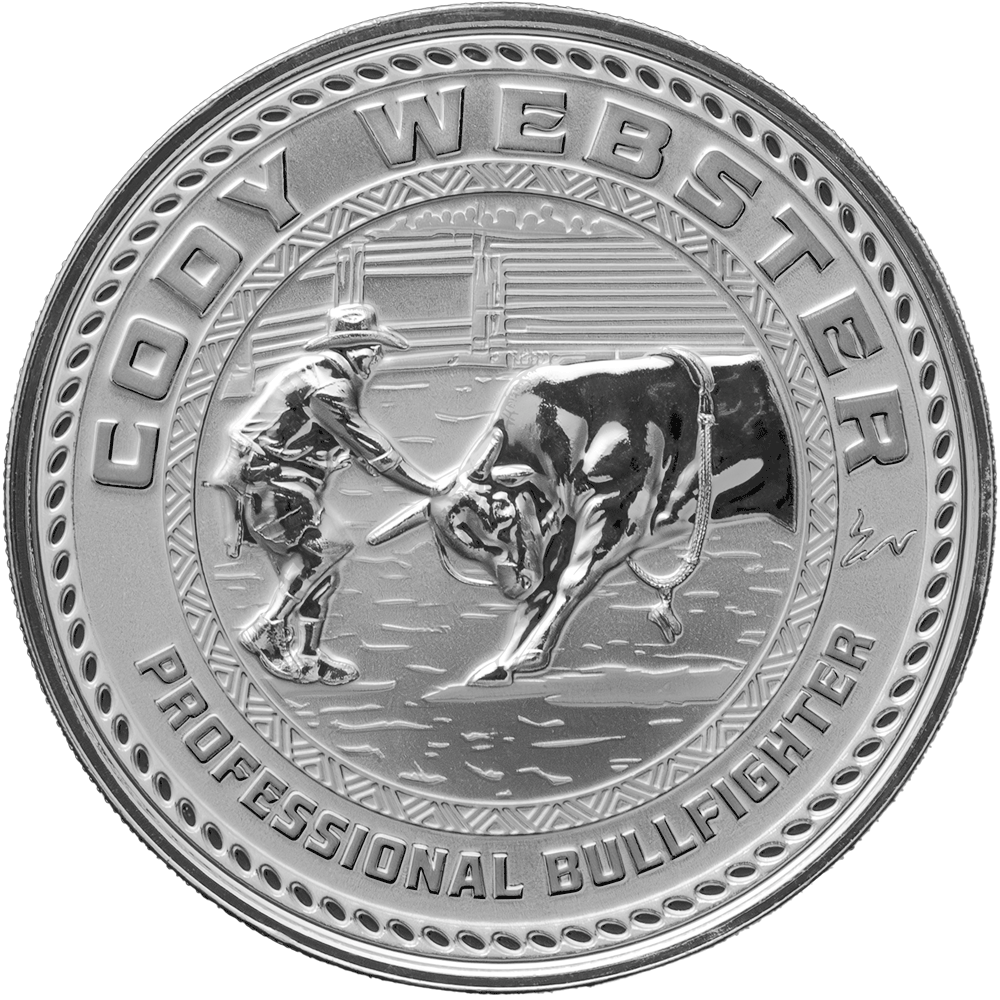
Specifications, Purity, and Authentication: Understanding the 1 oz Cody Webster Silver Round
A Comprehensive Guide to Metal Integrity, Verification, and Recognizing Genuine Quality
When considering a premium silver collectible such as the 1 oz Cody Webster Silver Round (Reverse Proof) with Custom Box and Autograph, understanding every aspect of its specifications is crucial. Collectors and investors alike seek not only the beauty and exclusivity of such a piece but also assurance of its intrinsic value, purity, and authenticity. These elements form the foundation of trust in the precious metals market, safeguarding your investment for years to come.
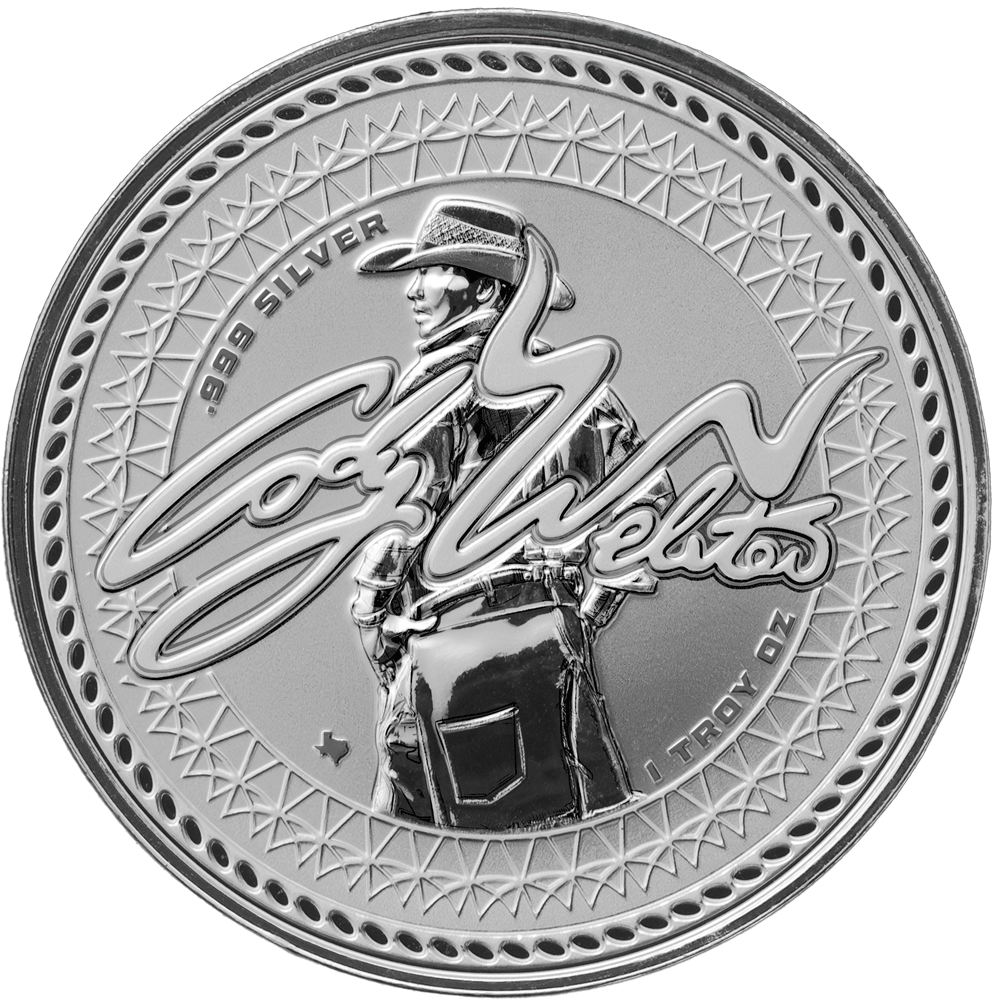
At the heart of this unique silver round lies its core material: .999 fine silver. This level of purity means that the round contains 99.9 percent pure silver, with only a minute fraction of other trace elements. Such high purity is standard for investment-grade bullion and collectible rounds, representing both inherent value and internationally recognized quality. The decision to use .999 fine silver is not arbitrary. It reflects industry standards that ensure liquidity, ease of resale, and universal recognition among dealers and collectors.
The single troy ounce weight is another critical specification. Unlike standard ounces, the troy ounce is the weight measurement universally used in the precious metals world. One troy ounce equals approximately 31.1035 grams, and it is the benchmark for pricing and trading silver worldwide. When a product is specified as weighing exactly one troy ounce, it gives buyers a clear understanding of the amount of precious metal they are acquiring, making it easier to compare prices and calculate intrinsic value.
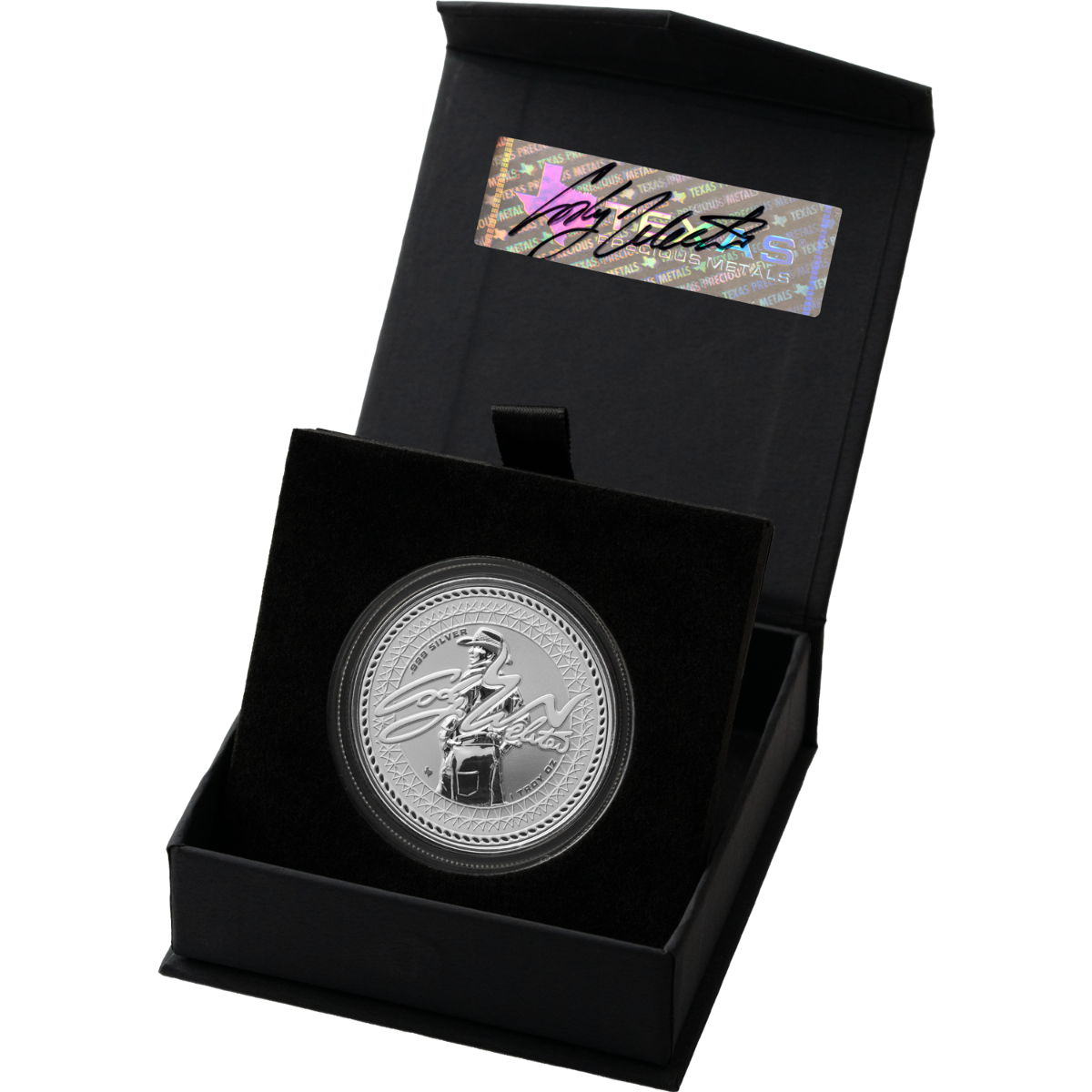
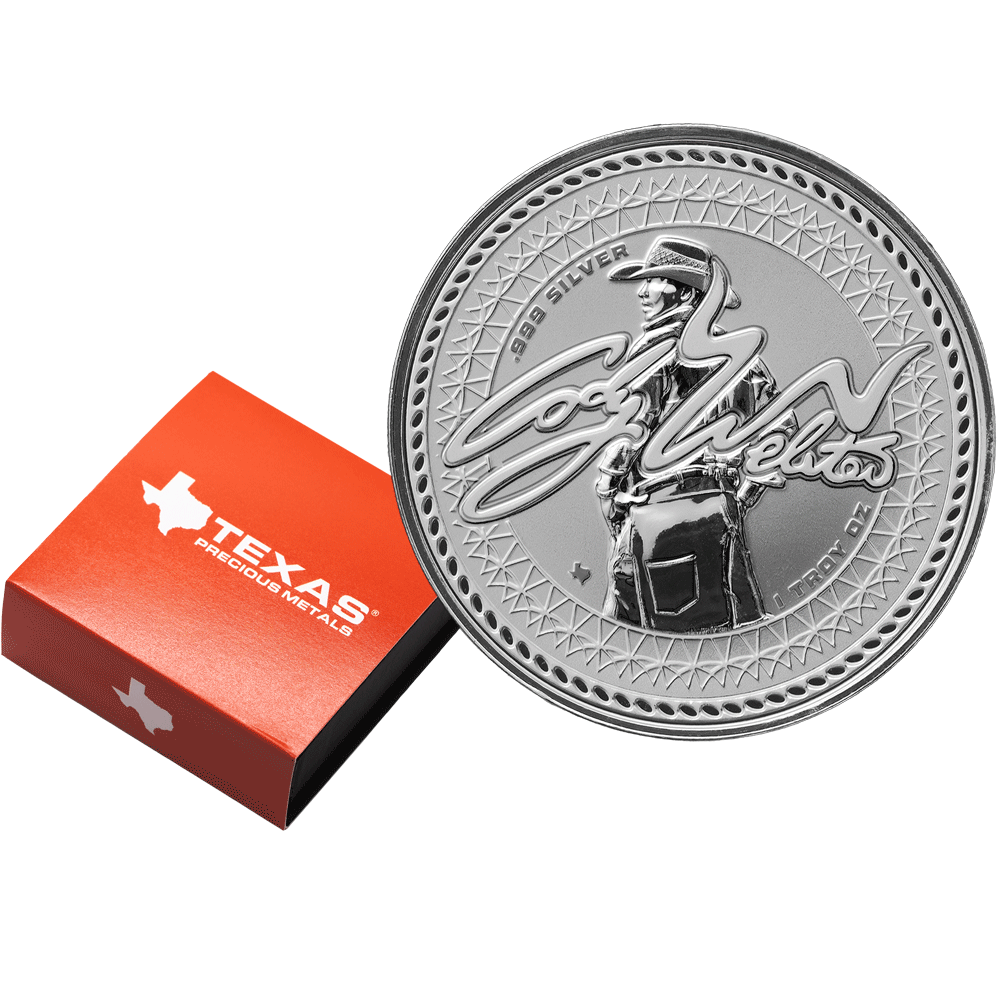
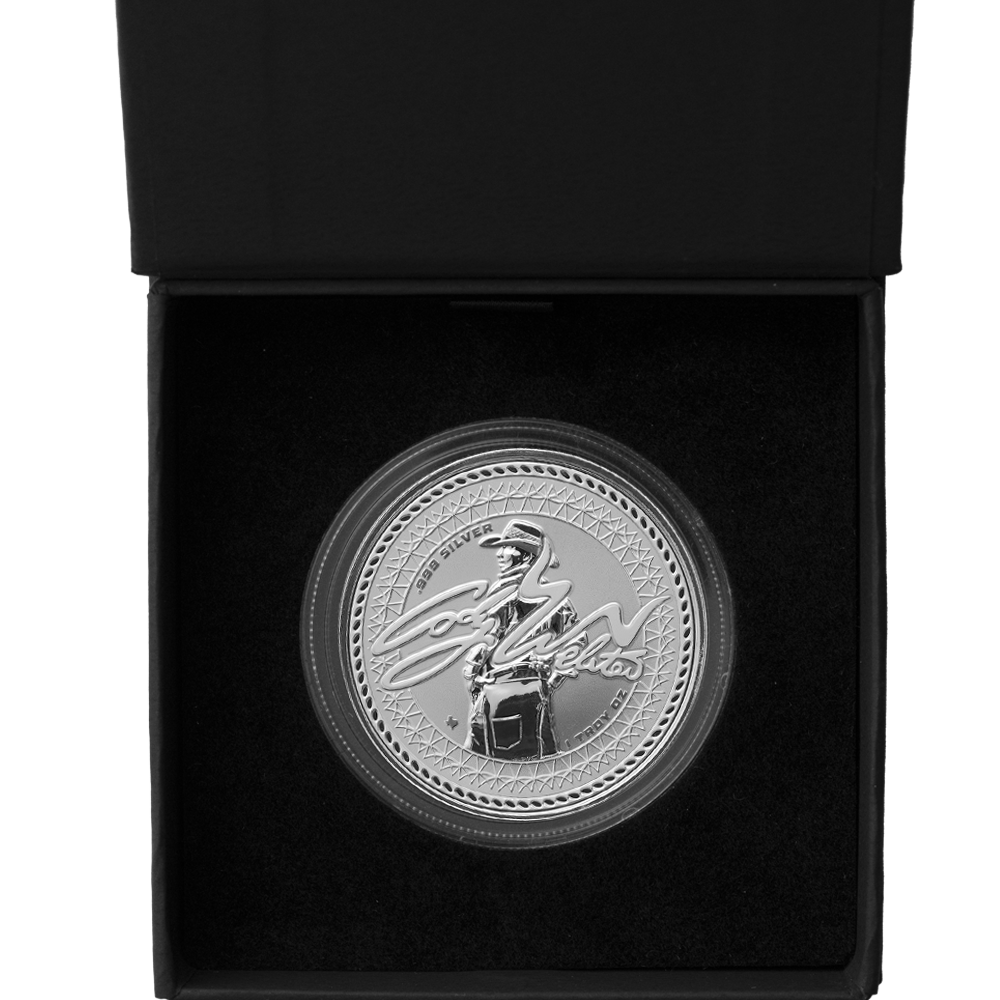
Aesthetics and security go hand in hand with this Cody Webster Silver Round. The reverse proof finish is a testament to refined minting techniques, featuring mirrored design elements against a frosted background. Not only does this provide visual distinction, but it also adds a layer of complexity that is difficult to replicate. The round arrives in a custom presentation box, further elevating its collectible appeal. This packaging does more than protect the round. It is an integral part of the product’s provenance, especially when coupled with the included autograph, which adds exclusivity and value for enthusiasts.
Authentication is a multi-layered process, crucial to the reputation of any precious metals dealer. When a new product arrives, reputable dealers employ a range of verification methods to confirm its legitimacy. Initial checks involve scrutinizing the round’s physical characteristics: diameter, thickness, weight, and design details. These are compared to the manufacturer’s specifications to identify any discrepancies that might suggest counterfeiting or tampering.
Advanced testing technologies are often used to provide non-destructive analysis. X-ray fluorescence (XRF) spectrometers, for example, measure the elemental composition of the round without causing any damage. By analyzing the surface and often sub-surface layers, XRF confirms that the round is composed of .999 fine silver as claimed. For added assurance, ultrasonic thickness gauges or electrical conductivity tests can help verify that the entire round, not just the surface, meets purity standards.
The physical security of the product is also paramount. Sealed packaging and tamper-evident features, such as holographic security stickers or serialized certificates, can help assure buyers that the round has not been altered or replaced since leaving the mint. In the case of the Cody Webster Silver Round, the custom box and autograph not only enhance display value but also serve as part of the verification process. The autograph in particular can be matched with documentation or provenance records, providing another layer of confidence.
For buyers, recognizing a genuine product involves a combination of careful observation and knowledge. The tactile feel, precise weight, and dimensions should match the specifications exactly. Any noticeable deviations in color, finish, or design intricacies could signal a counterfeit. Comparing your round to high-resolution images from the dealer or mint can help spot irregularities. For higher-value purchases, buyers sometimes seek a third-party authentication service, but a reputable dealer’s in-house verification is usually sufficient for modern rounds like this.
It is important to purchase from a well-regarded dealer who guarantees authenticity. Dealers with a strong track record invest in both training and equipment to ensure that every piece they sell meets their published standards. Their reputation depends on rigorous quality control, transparent sourcing, and a willingness to stand behind every transaction. This peace of mind is often more valuable than any laboratory test, especially when combined with a detailed return policy and customer support.
Documentation is another key aspect of authentication. Many collectors keep purchase receipts, certificates of authenticity, and even photographs of their rounds upon arrival. These records can prove invaluable if you ever decide to sell or trade your piece, as they help establish a clear chain of custody. For limited-edition items like the Cody Webster Silver Round, such documentation enhances both marketability and collector value.
Ultimately, the specifications, purity, and authentication of the 1 oz Cody Webster Silver Round work together to provide both tangible and intangible value. Knowing that your round is crafted from .999 fine silver, weighs precisely one troy ounce, and arrives in secure, custom packaging allows you to collect or invest with confidence. By understanding the processes reputable dealers use to verify authenticity and by learning how to recognize genuine quality, you can ensure that your precious metals portfolio remains both secure and rewarding.

