


South Dakota Goldback Gold Note: Specifications, Purity, and Authentication Essentials
Understanding Gold Content, Quality Assurance, and How to Recognize Genuine Goldbacks
Gold has fascinated civilizations for millennia, not only for its inherent beauty but also for its role as a trusted store of value. Today, innovative products like the South Dakota Goldback Gold Note provide a modern way to own and trade physical gold. These notes blend advanced manufacturing with the timeless appeal of precious metals, offering a unique combination of convenience, divisibility, and security. To fully appreciate their value, it is crucial to understand their specifications, the processes used to ensure their quality, and the ways both dealers and buyers can authenticate them.
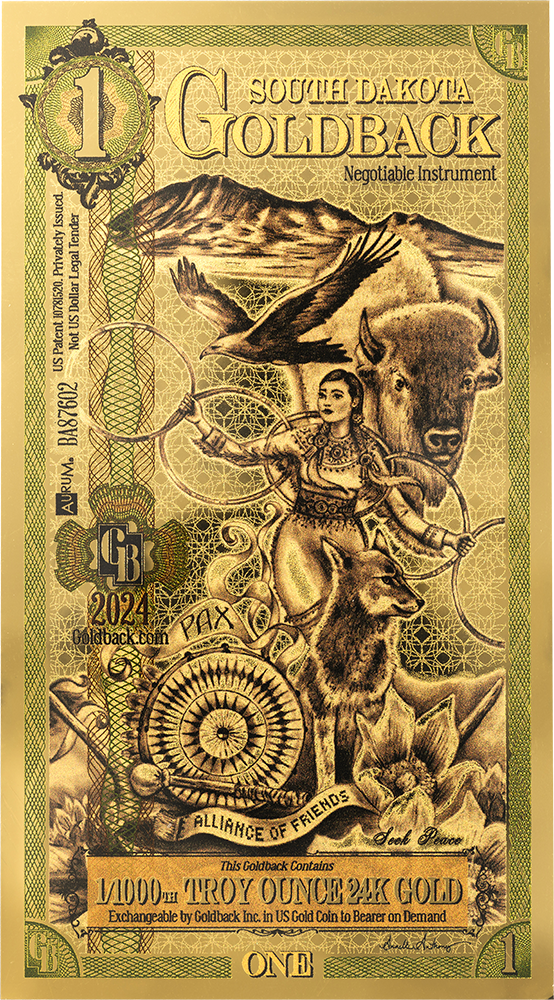
The South Dakota Goldback Gold Note is composed of .9999 fine gold, which represents a purity of 99.99%. This level of purity, often referred to as ‘four nines fine,’ is among the highest available in investment-grade bullion. Such exceptional purity guarantees that the gold content is nearly free of other metals or impurities. For investors and collectors alike, this means the note not only possesses intrinsic value but also meets the highest standards demanded by the precious metals market. Buyers can be confident that every note contains precisely what is advertised.
Each Goldback Note contains exactly 0.001 troy ounce of pure gold. While this may appear minuscule compared to traditional bullion bars or coins, the small denomination is intentional. It allows for unprecedented flexibility when it comes to gold ownership and use. Whether you are new to precious metals or looking for fractional pieces to diversify your holdings, these notes make gold accessible in an entirely new way. Their lightweight nature means you can hold, carry, and even use them for small transactions if desired.
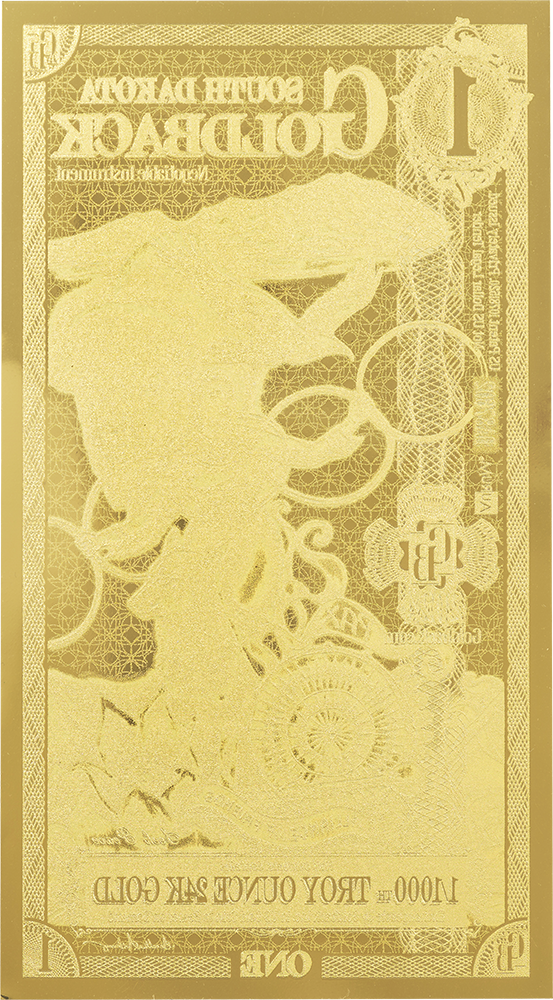
The Goldback technology involves the careful layering of gold between durable polymer sheets. This process not only preserves the gold from environmental exposure but also allows intricate designs to be embedded on each note. The result is a product that is both visually striking and resilient enough for regular handling. When you receive a South Dakota Goldback Gold Note from a reputable dealer, it typically comes sealed in tamper-evident packaging. This packaging serves as your first line of assurance, protecting the note from damage and helping to maintain its condition and authenticity.
Authenticity is paramount in the precious metals industry. Reputable dealers employ a variety of methods to verify that each Goldback Note they offer is genuine. Advanced testing equipment, such as X-ray fluorescence (XRF) analyzers, can quickly determine the gold content without altering the product. Additionally, visual inspection is essential. Dealers are trained to recognize the unique microprinting, holographic features, and detailed artwork that are hallmarks of genuine Goldbacks. These security features are not easily replicated by counterfeiters, adding another layer of protection for buyers.
On-site testing is often performed as part of a dealer’s due diligence. This process may involve weight checks using precision scales, as the exact weight of the gold in each note is known and should be consistent across the series. Any discrepancy, no matter how slight, can raise a red flag and prompt further investigation. Dealers may also inspect the packaging for signs of tampering or irregularities that could indicate a counterfeit product or mishandling during transit. All these steps are designed to ensure that what reaches the customer is genuine and unaltered.
For buyers, recognizing a genuine South Dakota Goldback Gold Note involves a few key steps. First, inspecting the overall quality of the note is essential. Authentic notes feature crisp, detailed artwork and microtext that can be viewed under magnification. The gold itself is visible in varying degrees depending on the angle and lighting, and it should have a consistent, lustrous appearance. The serial number and the denomination are clearly marked and should match any accompanying documentation or packaging.
Another important aspect is the tactile feel of the note. Due to the polymer substrate and embedded gold, Goldbacks have a unique texture that sets them apart from ordinary paper or plastic notes. Counterfeit products often fail to replicate this feel convincingly. If a buyer is ever uncertain, comparing the note to known genuine examples or consulting with a trusted precious metals dealer can provide peace of mind. Most reputable dealers are more than willing to assist with verification, as an informed and confident customer base benefits the entire industry.
The meticulous attention to detail in the production of Goldbacks serves as a safeguard against counterfeiting. Each note is printed with unique serial numbers, distinct design elements, and advanced security features that are exceedingly difficult to duplicate. This level of craftsmanship not only enhances the collectibility of each note but also assures buyers that they are investing in a product of real value. It is this fusion of artistry and security that has contributed to the growing popularity of Goldbacks among both new and experienced precious metals enthusiasts.
Ultimately, understanding the specifications, purity, and authentication methods for the South Dakota Goldback Gold Note empowers buyers to make informed decisions. Whether your interest lies in collecting, investing, or using gold as a medium of exchange, the ability to recognize and verify genuine products is essential. By working with reputable dealers and familiarizing yourself with the unique features of Goldbacks, you can confidently add these innovative gold notes to your portfolio, secure in the knowledge that you are holding a true piece of precious metal history.

