


Examining the 1 South Dakota Goldback: An Investment Perspective on a Unique Gold Note
How the South Dakota Goldback Fits into a Modern Precious Metals Portfolio
In the ever-evolving world of precious metals, the introduction of new products often stirs debate among collectors and investors alike. The 1 South Dakota Goldback Gold Note stands out as a particularly novel offering. Unlike traditional gold coins and bars, this product merges advanced production techniques with fractional gold investing. For those considering diversification in their precious metals holdings, understanding how the Goldback fits into broader investment strategies is essential.
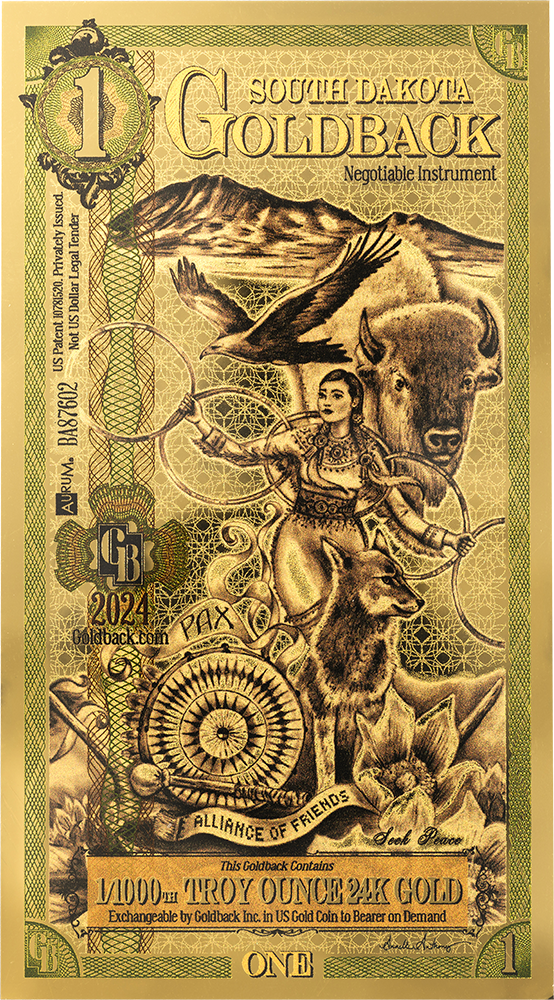
The Goldback is a thin, flexible note infused with precisely 1/1000th troy ounce of .9999 fine gold. This may seem like a minuscule amount, but that is exactly the point. Its ultra-fractional size allows investors to acquire physical gold ownership at a lower price point, as evidenced by its starting price of $8.45. This opens up gold ownership to a wider audience, including those who wish to dollar-cost-average into gold without committing large sums at once.
Liquidity is a central concern for any precious metals investor. Traditional gold bullion products, such as 1-ounce coins or bars, are widely recognized and easy to sell through dealers or peer-to-peer transactions. The Goldback, while gaining traction, is less established in conventional bullion markets. Its liquidity may not match that of standard bullion products, but its increasing recognizability and the growing network of buyers and sellers have contributed to improved marketability. Those seeking maximum liquidity may still prefer mainstream bullion, but Goldbacks are moving toward broader acceptance.
Recognizability plays a significant role in resale value and ease of exchange. The South Dakota Goldback is part of a series of gold-infused notes produced with advanced anti-counterfeiting features. Its unique, intricate design and the reputation of its manufacturer add to its credibility. However, the product is not yet as instantly recognizable as classic bullion coins or bars. Investors should be prepared to educate potential buyers or work with dealers who are familiar with the Goldback line.
A major consideration for any investor is the premium paid over the intrinsic metal value. Goldbacks generally carry a higher premium than generic bullion, primarily due to their specialized manufacture, artistic appeal, and ultra-fractional weight. While a one-ounce coin or bar will almost always cost less per ounce than 1,000 Goldbacks, the premium can be justified by the note’s divisibility and versatility. For those who value the ability to own and potentially spend small increments of gold, this premium may be worthwhile. However, for investors whose primary goal is to accumulate the most gold per dollar, generic bullion remains the more cost-effective option.
The role of the 1 South Dakota Goldback in a portfolio is nuanced. It is not intended to replace larger bullion holdings, but rather to complement them. Some investors use fractional gold as a hedge against currency devaluation or as a tool for barter in emergency situations. Goldbacks are designed with this transactional purpose in mind, offering gold in a form that is easily portable and divisible. Their potential utility in small transactions provides a unique advantage over larger, less divisible gold products.
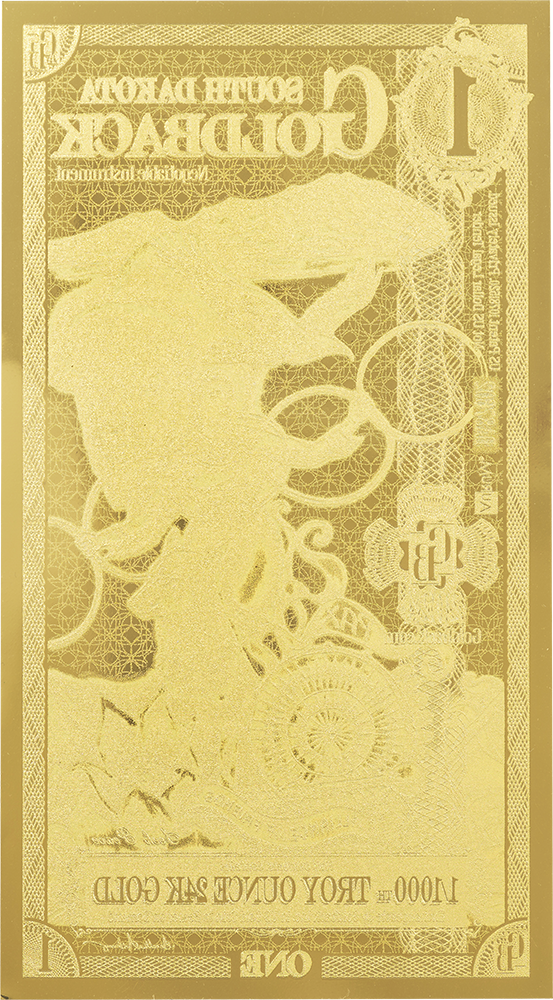
Of course, there are practical considerations to weigh. The durability of Goldback notes surpasses that of paper currency due to the polyester substrate, but they are still more vulnerable to physical damage than solid metal coins or bars. Careful handling and proper storage are important. Additionally, because their value is tied to their gold content, significant fluctuations in the gold market will affect their worth. The premium over spot may also contract or expand depending on supply, demand, and market familiarity.
Another honest consideration is the speculative aspect. The Goldback’s value proposition is partly rooted in its novelty and the possibility of wider adoption as a transactional currency. While some collectors and investors are attracted to this potential, others may see it as a risk. There is no guarantee that Goldbacks will achieve the same mainstream status as traditional bullion. Investors should weigh the product’s unique advantages against its still-developing secondary market.
Despite these considerations, there are clear advantages to including the 1 South Dakota Goldback in a diversified metals portfolio. Its small denomination allows for incremental accumulation and greater flexibility. For those interested in gold as a potential medium of exchange, the Goldback offers a practical experiment in transactional bullion. The note’s artistic design and state-specific themes also add a collectible dimension that may appeal to numismatists and enthusiasts alike.
In summary, the 1 South Dakota Goldback Gold Note is a distinctive offering that fills a niche between traditional bullion and collectible currency. Its fractional weight, artistic value, and potential for use in small transactions set it apart from other gold products. However, investors should be mindful of its higher premium, evolving liquidity, and the need for proper care. As with any precious metals product, the best approach is to evaluate how it fits with personal investment goals, risk tolerance, and portfolio allocation.
Ultimately, the South Dakota Goldback is neither a substitute for bulk bullion nor a guaranteed ticket to outsized returns. Rather, it is a thoughtful addition for those who value flexibility, divisibility, and the unique blend of art and metal. By understanding its strengths and limitations, investors can make informed decisions about whether and how to incorporate Goldbacks into their precious metals strategy.

