




Evaluating the 2016 Texas Silver Round: A Thoughtful Look at Its Investment Role
Weighing the Merits of a Collectible Silver Piece in a Diversified Precious Metals Portfolio
When building a precious metals portfolio, investors often focus on widely recognized products like government-issued coins and generic bullion rounds. However, specialty silver rounds, such as the 2016 Texas Silver Round, can offer a unique combination of recognizability, purity, and visual appeal. Understanding where such a product fits in an investment strategy is key to making informed decisions that align with your financial goals and risk tolerance.
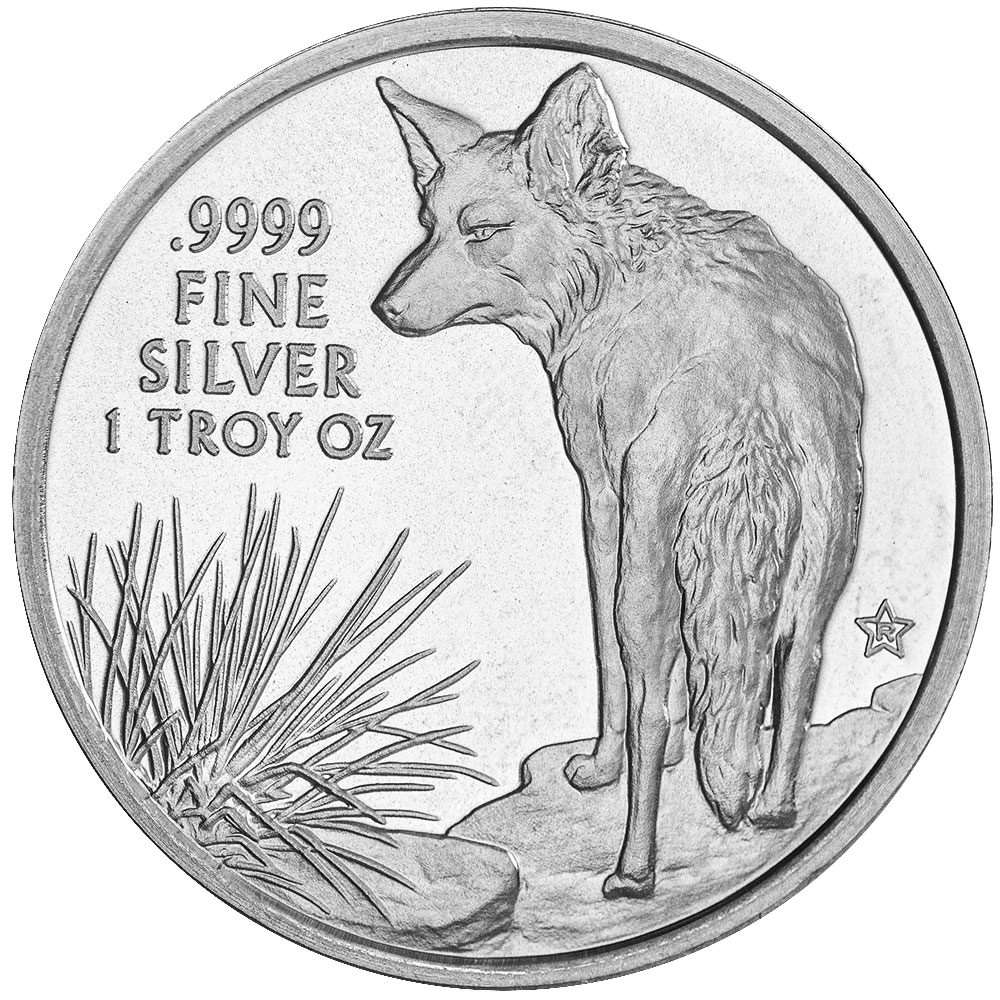
The 2016 Texas Silver Round is composed of one troy ounce of silver with an exceptional .9999 fineness. This high level of purity is significant because it stands out even among many sovereign coins and private rounds, which often feature .999 purity. Investors who prioritize maximum silver content may find this appealing, as higher purity can sometimes command greater interest from buyers who are particular about the metal’s content. That said, in practical market terms, the difference between .999 and .9999 is subtle, but it does reflect a commitment to quality.
Liquidity is a crucial consideration for any bullion investment. The ability to quickly and efficiently convert a silver product into cash or barter value is influenced by how easily it is recognized and trusted by other market participants. While government-minted coins generally set the standard for liquidity, some privately minted rounds, especially those from established dealers with a strong reputation, can also maintain robust secondary market demand. The 2016 Texas Silver Round, produced by a reputable source and featuring a distinctive design, is more likely to be recognized and accepted than generic, unbranded rounds.
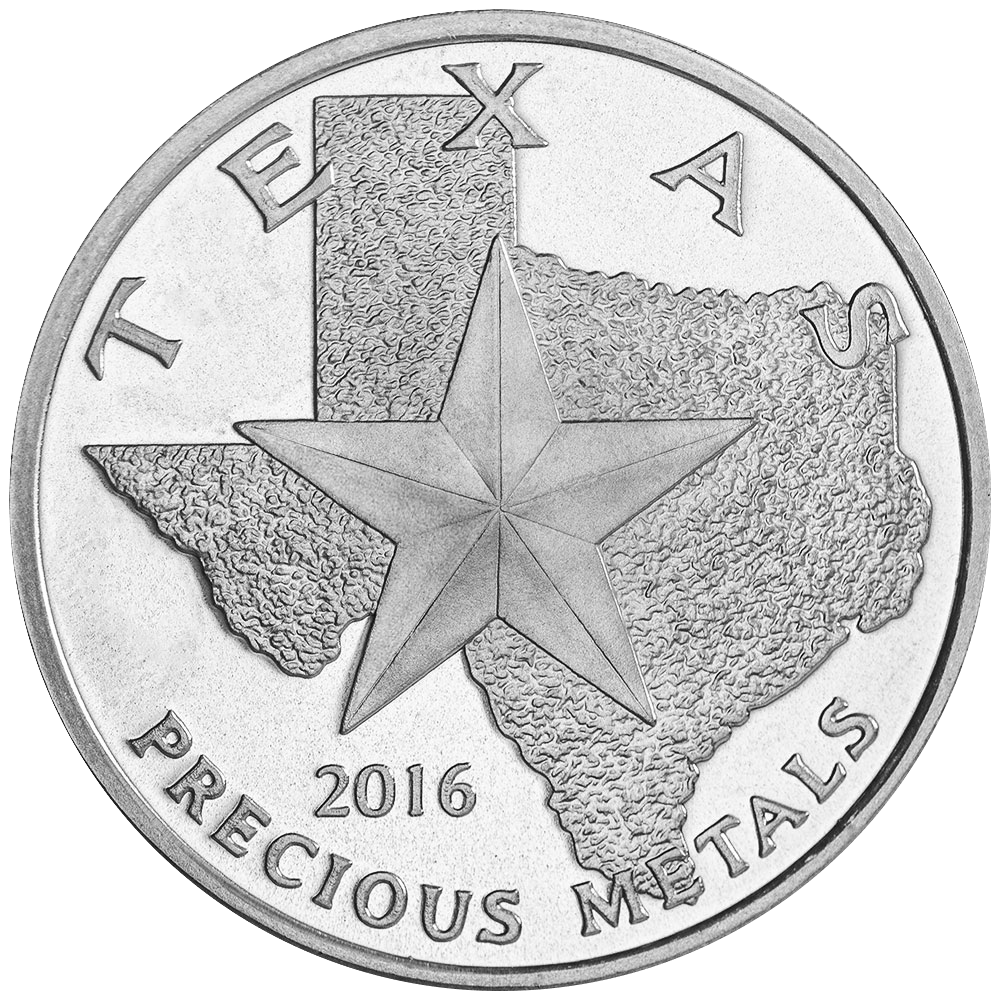
Recognizability extends beyond just a familiar name. It includes the design, mint reputation, and even the detail in the strike. The Texas Silver Round displays iconic regional imagery and a quality finish, which add to its distinctiveness. Collectors and investors who prefer rounds with a story or artistic value may gravitate toward pieces like this, expecting that such factors could support a stronger resale value. At the same time, it is important to note that rounds without a face value or government backing may not be as instantly accepted worldwide as sovereign coins, though they can still enjoy a strong domestic following.
Premium over spot price is another aspect that requires careful evaluation. The 2016 Texas Silver Round generally trades at a premium to generic silver bullion, reflecting its higher purity, specialized design, and limited mintage. For investors, the premium represents an additional cost above the intrinsic metal value. The logic behind paying this premium is the expectation that recognizability, collectibility, or aesthetic appeal might translate into a higher resale price. However, premiums can fluctuate depending on market sentiment, demand for the specific round, and general silver price trends. There is always a risk that the premium narrows in the secondary market, so buyers should be comfortable with the possibility of not recouping the full premium on resale.
From a portfolio construction perspective, rounds like the 2016 Texas Silver Round can play a complementary role. While generic bars and rounds are often best for acquiring silver at the lowest premium, specialty rounds can diversify holdings and potentially appeal to a wider range of buyers if you ever need to sell. Some investors enjoy owning pieces that offer both physical bullion exposure and an element of collectibility. Others may choose such rounds as gifts or for personal enjoyment, appreciating both the metal and the design.
There are honest advantages and drawbacks to consider. On the positive side, a well-made private round with a high silver content and an attractive design can offer a satisfying blend of bullion investment and collectible interest. The .9999 purity is a technical strong point, and the association with a known dealer can help support trust in authenticity. On the downside, the lack of legal tender status means the round does not have the universal recognition of a sovereign coin, and the premium may not always be fully recoverable, especially if market tastes shift or if silver prices are volatile.
For those who value liquidity above all, sticking with the most widely recognized government-issued coins may make the most sense. However, if you are comfortable with a slightly less liquid product in exchange for higher artistic value and a potentially stronger resale narrative, the 2016 Texas Silver Round offers a reasonable compromise. Its appeal is strongest among buyers who appreciate both the investment aspect of silver and the story or symbolism behind the round.
Long-term, the value of any silver round will track closely to the underlying price of silver, with premiums rising and falling based on market forces. It is important to set realistic expectations and avoid assuming that any collectible round will automatically achieve outsized returns. Instead, view specialty silver rounds as a way to add depth and interest to your holdings, while still maintaining exposure to the fundamental case for owning physical silver.
In summary, the 2016 Texas Silver Round occupies a unique niche in the precious metals market. Its high purity, reputable origin, and attractive design make it a credible choice for investors who want more than just generic bullion. At the same time, it is essential to weigh the pros and cons, including the potential for premium volatility and the nuances of liquidity. As with any investment, careful consideration and alignment with your broader financial strategy are paramount.

