



Evaluating the 10 oz Texas Silver Bar: A Balanced Approach for Bullion Investors
Understanding Portfolio Value, Liquidity, and the True Role of Recognizable Silver Bars
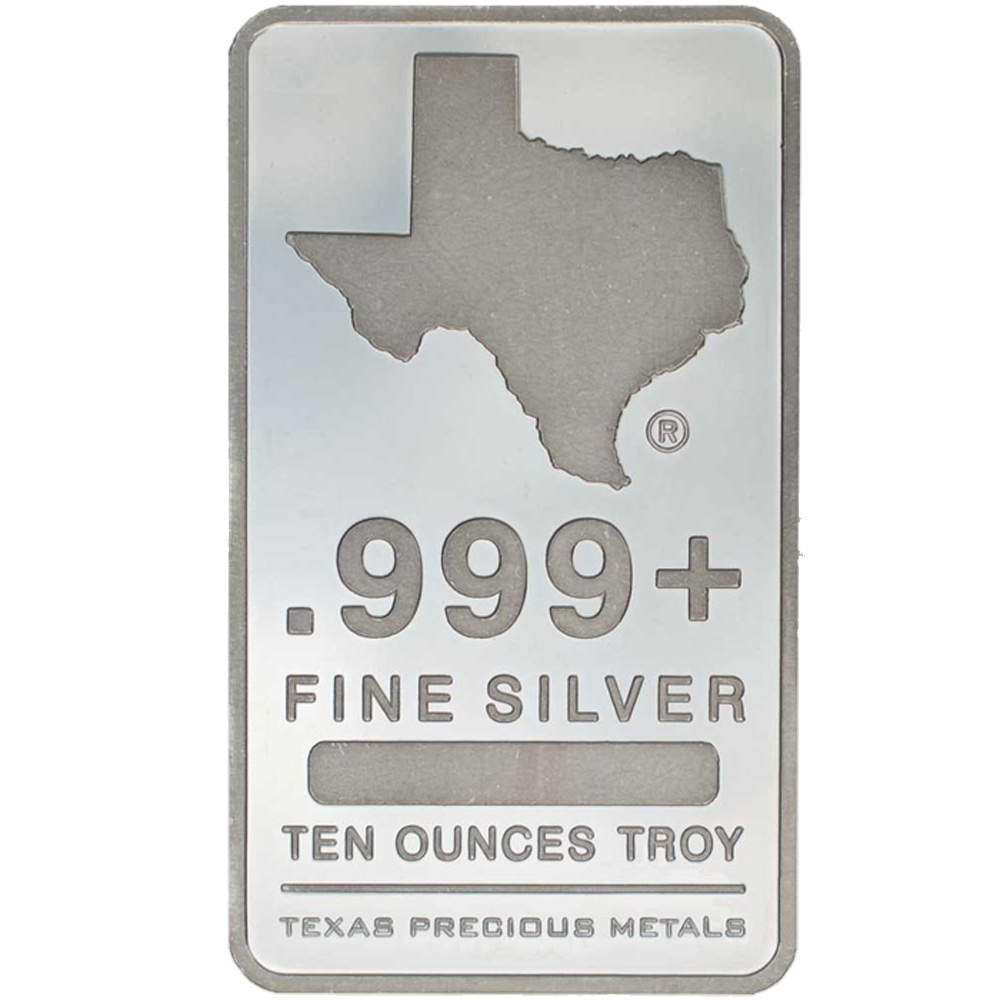
Investors seeking to diversify their holdings often find themselves weighing the merits of physical silver. Among the many forms available, the 10 oz Texas Silver Bar (Classic Style) stands out as a viable choice for those who appreciate both quality and practicality. With a weight of 10 troy ounces and a purity of .999+, this bar is crafted to meet the expectations of the discerning bullion buyer. But what does this really mean for those looking to add silver to their investment portfolios, and how does the Texas Silver Bar compare to other options in the marketplace?
Liquidity is a primary consideration for anyone purchasing physical silver. The ability to convert your holdings into cash, or trade them for other assets, is essential. The Texas Silver Bar’s standardized 10 ounce format aids this process, as it is a widely recognized and accepted size in the bullion trade. While smaller fractional bars can offer even more flexibility, the 10 ounce size strikes a balance between manageability and efficiency. When it comes time to sell, bars of this weight are large enough to be attractive to serious buyers yet not so unwieldy that they limit your options.
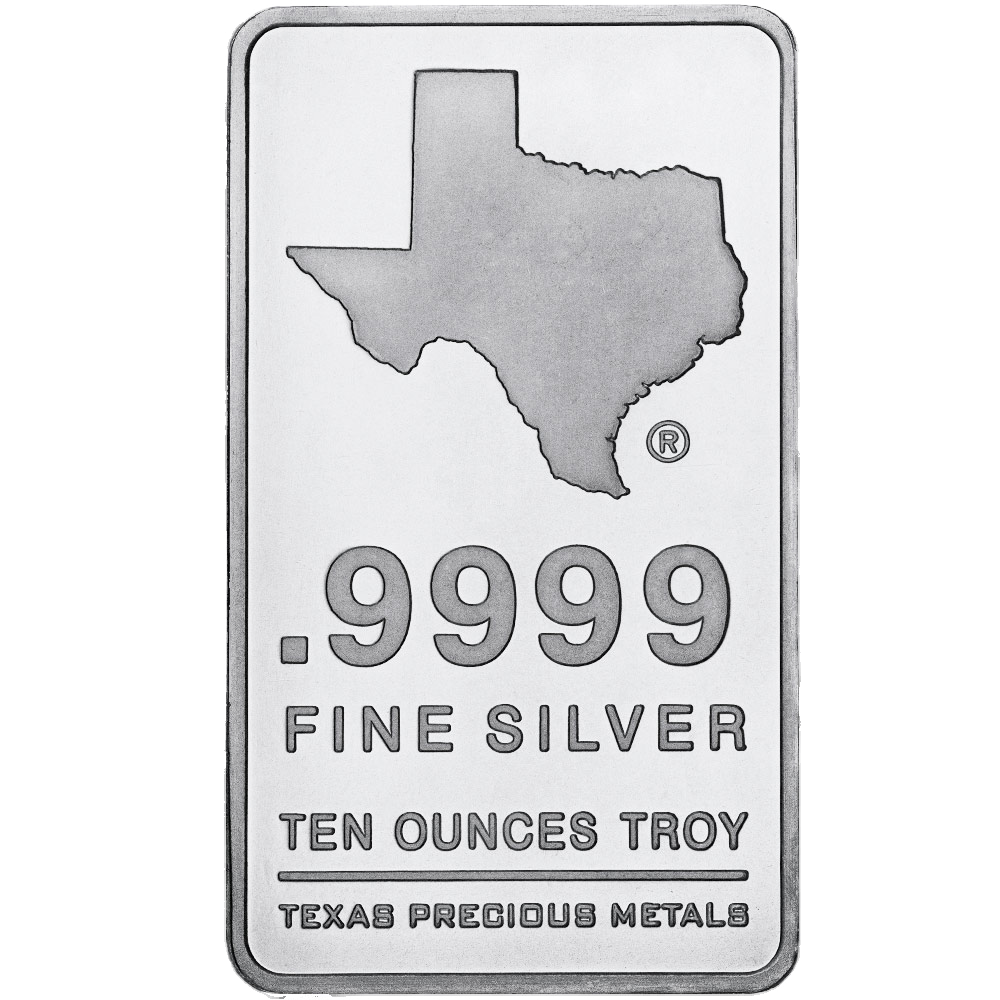
Recognizability is another important factor influencing resale potential and liquidity. The Texas Silver Bar benefits from a classic, easily identifiable design, bearing clear markings of weight, purity, and the Texas Precious Metals logo. This kind of branding serves as a form of authenticity that buyers seek when evaluating secondary market silver. It reduces friction in the selling process, as well-known bars from reputable sources generally inspire greater trust than generic or obscure alternatives. In uncertain times, that recognizability can prove invaluable.
When comparing premium bars like the Texas Silver Bar to more generic bullion, it is necessary to address the issue of premiums. Premium refers to the amount paid over the current spot price of silver. Branded bars, especially those from respected mints or dealers, often command slightly higher premiums than anonymous, generic products. This is due to their enhanced marketability and perceived assurance of quality. While you may pay a bit more upfront for a Texas Silver Bar, the tradeoff is often a smoother exit when it is time to sell, as buyers may be willing to pay more for a product with a trusted pedigree.
From a portfolio perspective, physical silver bars serve as tangible assets that can provide insurance against certain market uncertainties. Unlike stocks or bonds, which may be subject to digital or institutional risks, silver bars are under direct ownership and control. The 10 oz Texas Silver Bar’s .999+ purity ensures you are holding a product that meets or exceeds industry standards, making it universally acceptable in most private and institutional transactions. This level of purity is not just a number; it is a guarantee of silver content that underpins the value of your investment.
There are, of course, considerations that go beyond the numbers. Physical silver bars require secure storage, whether at home or through a professional vaulting service. While the 10 oz format is compact and stackable, accumulating a substantial position can become cumbersome compared to digital or paper assets. Additionally, while the Texas Silver Bar is highly liquid for physical silver, silver itself is less liquid than traditional market securities. Any investor should be prepared for the logistics involved in selling physical bullion, including packaging, shipping, and potential wait times for payment.
Another aspect to consider is the absence of a face value on the Texas Silver Bar. Unlike government-issued coins, these bars are not legal tender. While this does not impact their intrinsic value, it does mean they do not carry the additional layer of sovereign backing or potential numismatic interest. For many, this is not a drawback, as the value of a silver bar is primarily linked to its metal content. However, some investors prefer the added reassurance of government-issued silver, even if it comes with a higher premium.
On the positive side, the Texas Silver Bar’s classic design and consistent quality make it a straightforward addition to any precious metals portfolio. For those who appreciate transparency and simplicity, these bars are easy to verify and store. The absence of intricate designs or special editions means the focus remains squarely on the bullion itself, which can be appealing for investors seeking exposure to silver without unnecessary frills or speculative features.
One of the honest drawbacks of any physical silver holding, including the Texas Silver Bar, is the potential for premiums to fluctuate with market demand. During periods of heightened interest in silver, premiums on all forms of bullion tend to rise, and the spread between purchase and sale price can widen. Conversely, in quieter markets, premiums often compress, which can affect resale returns. This is not unique to the Texas Silver Bar, but it is an inherent aspect of physical bullion ownership that should be acknowledged.
In summary, the 10 oz Texas Silver Bar (Classic Style) offers a blend of recognizable branding, standardized format, and high purity. It is well suited for investors who value liquidity within the world of physical bullion and who are willing to pay a small premium for the assurance of authenticity. While it is not the most liquid asset class overall, it performs its role effectively as part of a diversified portfolio, offering tangible value and a degree of security that appeals to many investors. As with any investment, understanding both the pros and cons is essential for making informed decisions.

