


Evaluating the 10 oz Texas Mint Silver Bar: An Investment Perspective
Understanding the Role of Premium Silver Bars in a Diversified Portfolio
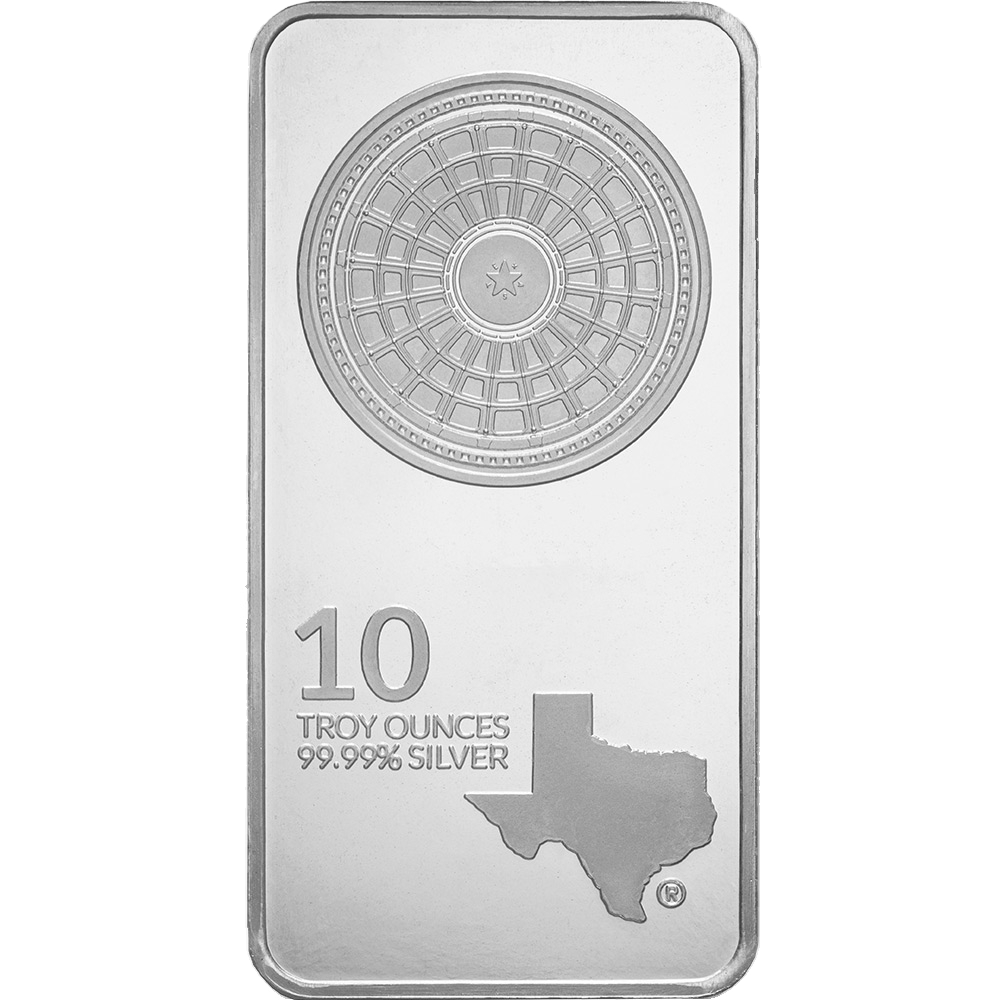
Silver has long been a staple in the world of precious metals investment, offering both accessibility and tangible value. Among the many forms of silver bullion available, the 10 oz Texas Mint Silver Bar stands out as a noteworthy option for investors seeking a blend of purity, recognizability, and practical liquidity. Unlike generic bars, this product carries the reputation and quality assurance of a known private mint, factors that can subtly yet significantly influence the investor experience.
At a purity level of .9999 fine silver, this bar offers a standard that exceeds the common .999 benchmark found in most bullion. While the difference between .999 and .9999 purity may seem marginal, it speaks to a higher degree of refining and quality control. For investors, this can be an added point of confidence, especially when considering the potential for resale or bartering. When a bar’s purity is universally recognized as top-tier, it can make transactions smoother and more straightforward.
Liquidity is a crucial consideration for any asset, and physical silver is no exception. The 10 oz denomination strikes a balance between flexibility and efficiency. Single-ounce bars or coins can be convenient for small transactions, but they often come with higher premiums and less efficient storage. Conversely, very large bars can be cumbersome, both to handle and to sell. The 10 oz bar represents a middle ground that appeals to both individual investors and bullion dealers, making it easier to liquidate when the need arises.
Brand recognition is an essential factor when dealing with silver bars. The Texas Mint is a respected name within the bullion community, and this recognition can translate directly into marketability. Dealers and private buyers are generally more comfortable transacting in products from reputable mints, as it reduces concerns regarding authenticity and purity. In uncertain markets, easily recognizable products tend to find buyers faster than obscure or generic alternatives.
Premium is another key aspect that investors must weigh. Generic silver bars typically trade closer to the spot price, appealing to those whose primary concern is acquiring the most ounces for their money. However, bars from branded mints like the Texas Mint often command a slightly higher premium. This premium reflects the added assurance of quality, brand reputation, and sometimes enhanced aesthetics or security features. The question for investors is whether the peace of mind and potential for easier resale justify the additional upfront cost.
In the context of a diversified portfolio, silver serves several strategic roles. It is viewed as a hedge against inflation, a form of insurance during periods of financial instability, and a tangible asset with no counterparty risk. The 10 oz Texas Mint Silver Bar, given its size and recognizability, fits well as a core holding. It is large enough to represent meaningful value, yet small enough to enable incremental buying or selling according to market conditions or personal financial needs.
There are clear advantages to choosing a 10 oz Texas Mint Silver Bar. The high purity level can make it more attractive when authenticity is paramount. The bar’s moderate size offers both storage efficiency and transactional flexibility. Additionally, the backing of a reputable mint can streamline the selling process and appeal to a broader range of buyers. For those who value peace of mind and brand reputation, these factors can outweigh the slightly higher premium relative to generic options.
However, there are also drawbacks worth considering. The higher premium means that, all else equal, the investor is paying more per ounce compared to unbranded silver bars. This could impact returns if the time comes to sell and the premium is not fully recouped. Furthermore, while the 10 oz form is liquid in most markets, it may not be as universally accepted as widely recognized coins in certain situations. It is important for investors to weigh these factors against their overall goals and risk tolerance.
The absence of a face value on the 10 oz Texas Mint Silver Bar distinguishes it from government-issued bullion coins. While this has no effect on the intrinsic value, since the bar’s worth is derived solely from its silver content, it does mean that its legal tender status does not provide any additional assurance. Investors should be aware that the value of the bar will fluctuate in line with the spot price of silver and market demand for physical bullion.
Ultimately, the 10 oz Texas Mint Silver Bar occupies a unique position in the spectrum of silver investment products. It offers a combination of high purity, recognizable branding, and practical denomination, making it a solid choice for those seeking to balance value with quality. As with any investment, the key is to align one’s selection with personal objectives, liquidity needs, and an understanding of the potential trade-offs involved. Informed investors will find that such bars can play a reliable role in a well-rounded precious metals portfolio.

