


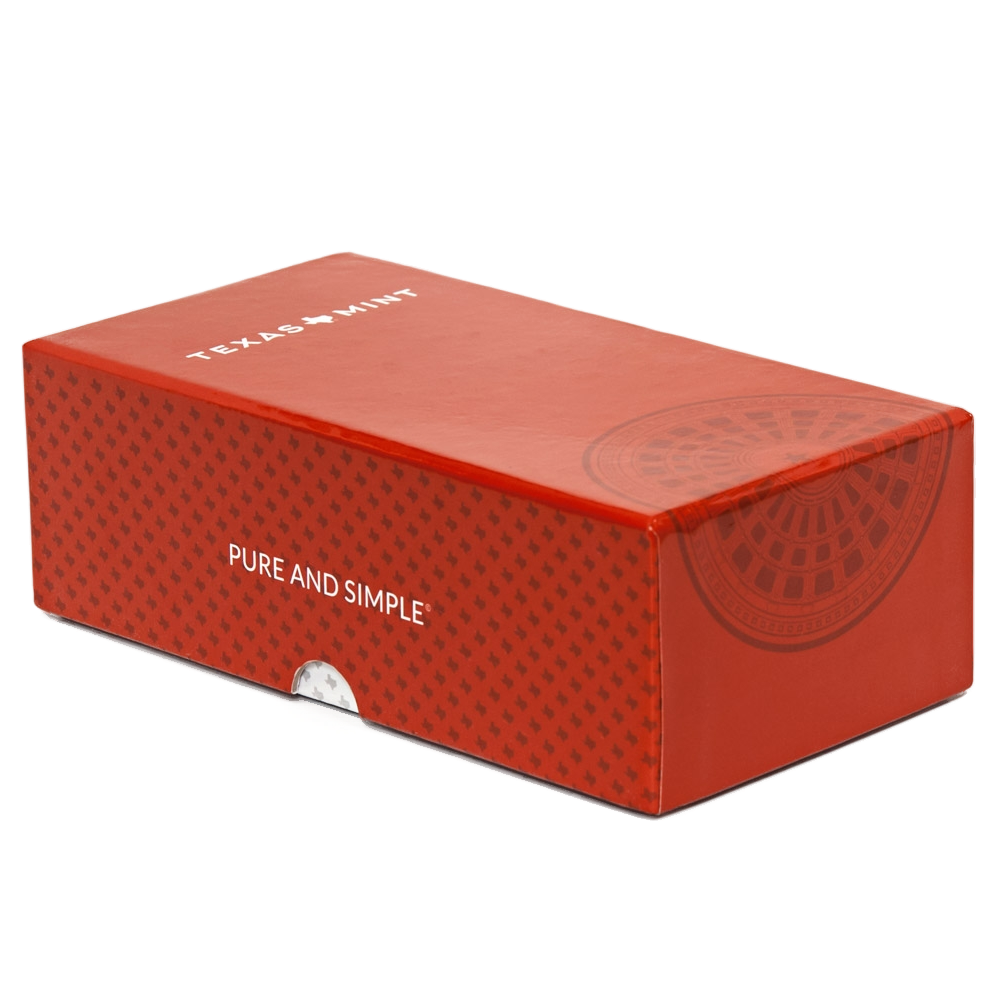
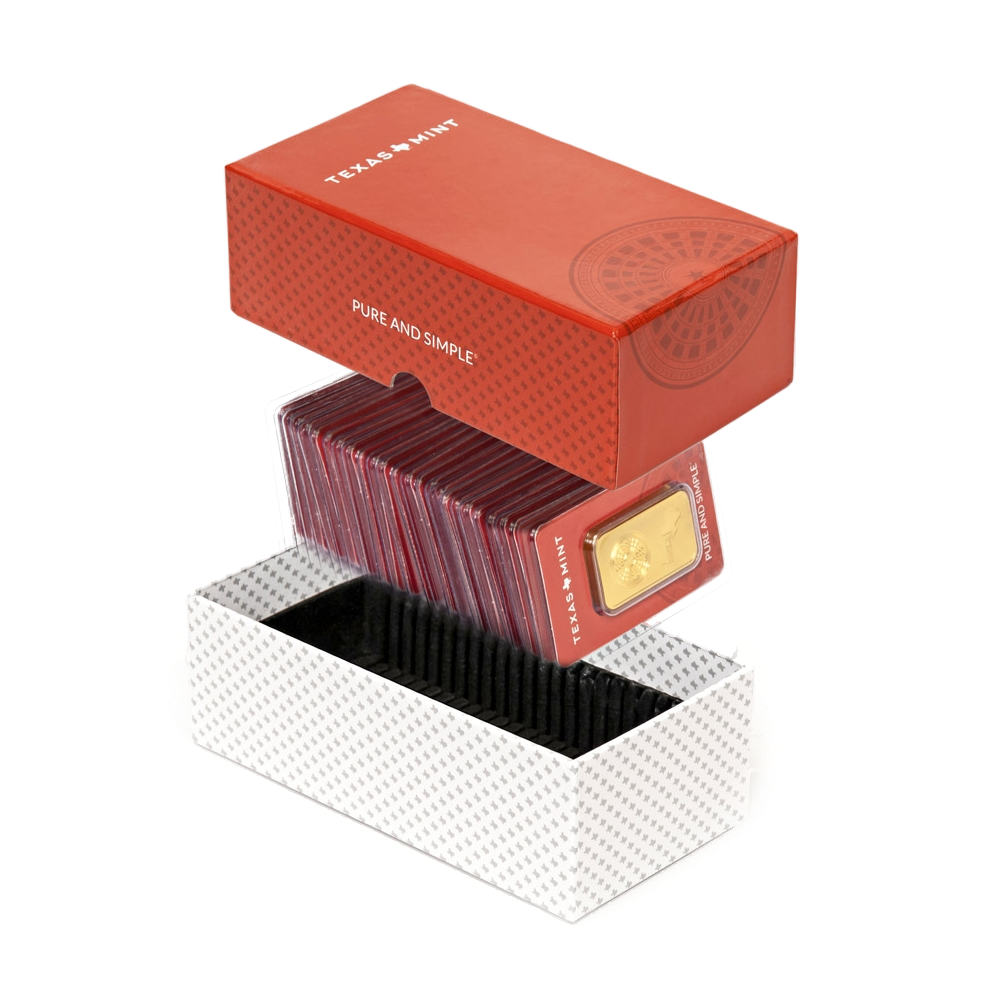
Evaluating the 1 oz Texas Mint Gold Bar (In Assay) as a Strategic Investment
A Deep Dive into Liquidity, Recognizability, and Portfolio Considerations for the Discerning Gold Investor
For investors seeking to diversify their portfolios with tangible assets, physical gold stands out as a time-tested choice. Among the various forms of gold bullion available, the 1 oz Texas Mint Gold Bar (In Assay) presents a compelling option. While its appeal is rooted in both its intrinsic and extrinsic characteristics, understanding how this specific product can fit into an investment strategy requires a nuanced look at liquidity, recognizability, premiums, and the broader role gold plays in wealth preservation.
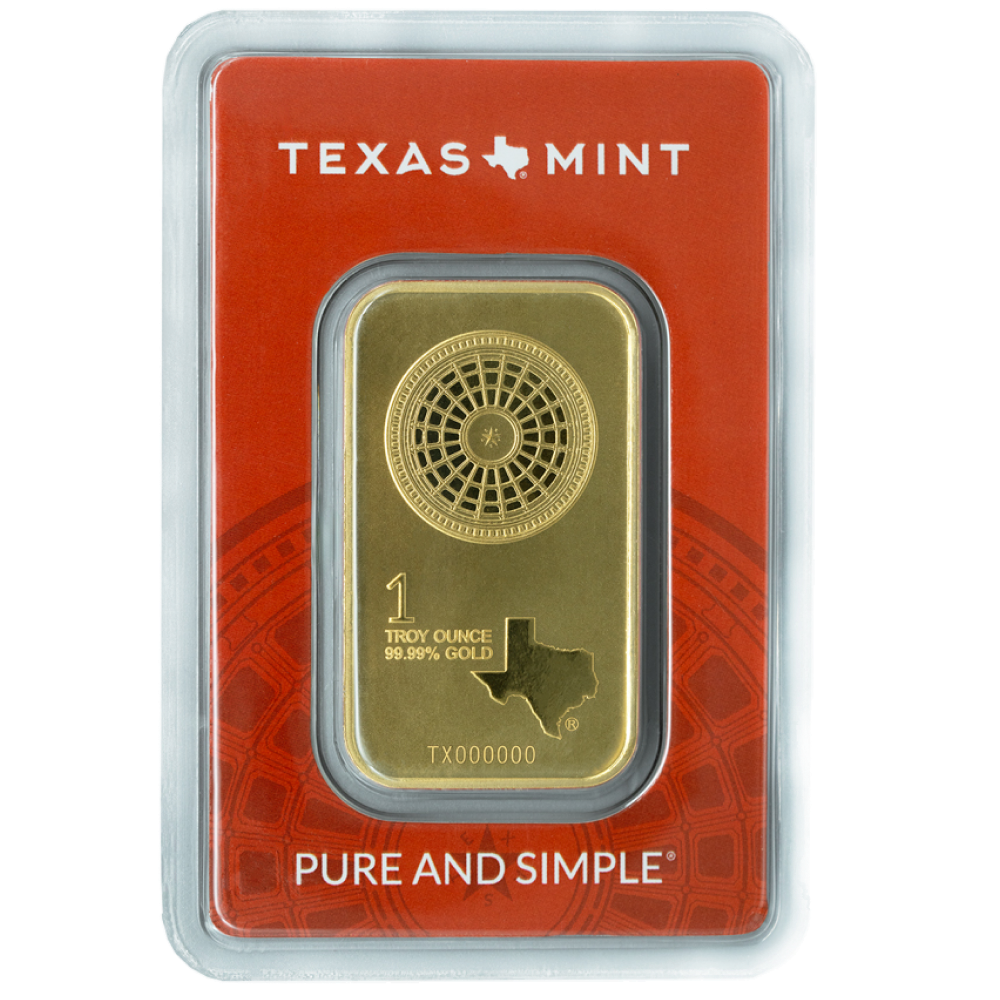
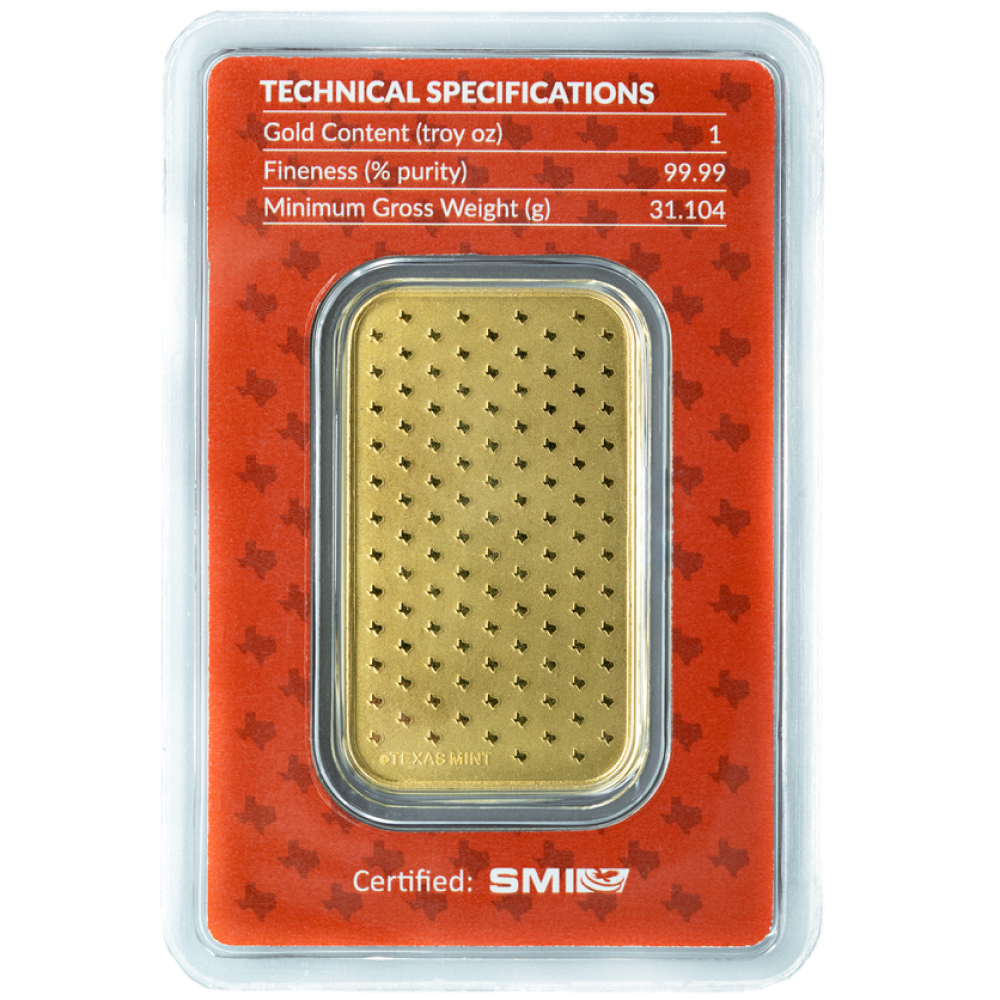
Liquidity is a primary concern for any bullion investor. Simply put, liquidity refers to how quickly and easily an asset can be converted into cash without significantly affecting its price. The 1 oz Texas Mint Gold Bar scores well on this front. One-ounce gold bars are among the most widely traded sizes globally, making them highly liquid compared to larger bars or less common weights. The inclusion of an assay card further strengthens the bar’s marketability. The sealed assay packaging certifies the bar’s weight and purity, instilling confidence in potential buyers regarding its authenticity and condition.
Recognizability is closely tied to liquidity and is an important factor in the resale market. While the Texas Mint may not have the same international brand recognition as some of the world’s oldest mints, it has established a strong reputation among domestic bullion dealers and private investors. The Texas Mint’s commitment to producing .9999 fine gold—meaning 99.99% pure gold—places its bars in the same purity class as those from the most respected global mints. This high standard minimizes questions about content and makes the bars suitable for investors who value transparency and ease of verification.
When evaluating the premium over spot price, the Texas Mint Gold Bar often offers a sweet spot between brand prestige and affordability. Premiums are the additional costs investors pay above the melt value of the metal, reflecting factors such as mint reputation, production costs, and demand. Well-known international brands may command higher premiums due to widespread recognition, but this does not always translate to a better investment. The Texas Mint Gold Bar generally trades at a moderate premium, providing a balance between the peace of mind offered by a reputable mint and the cost efficiency of more generic bullion. For investors who intend to buy and hold, this can mean more ounces for each dollar invested.
Generic gold bars, while often carrying lower premiums, may lack the strong branding or consistent packaging found with products like the Texas Mint Gold Bar. The presence of an assay card is particularly valuable here. Not only does it protect the bar from physical handling and potential damage, but it also simplifies the authentication process for future buyers. This can be a decisive advantage if the need arises to sell or trade the bar, as buyers are more likely to trust an assayed product with documented specifications.
Gold, as an asset, plays a unique role in portfolio construction. Historically, it has acted as a hedge against inflation, currency devaluation, and systemic financial risks. The 1 oz Texas Mint Gold Bar allows investors to add a substantial, yet manageable, allocation of physical gold to their holdings. Its size is ideal for incremental purchases, giving investors flexibility to build or reduce their positions over time. Unlike paper gold products, physical bars carry no counterparty risk. The owner is not dependent on the solvency or performance of any institution, which can be especially reassuring in periods of financial uncertainty.
However, there are honest considerations and potential drawbacks that merit attention. Physical gold, including the Texas Mint Gold Bar, does not yield interest or dividends. The return on investment comes solely from price appreciation, which is influenced by global economic trends, monetary policy, and market sentiment. Storage is another practical concern. Secure storage, whether at home or with a professional vaulting service, involves additional costs and logistics. Investors must also consider insurance and the practicalities of transporting or liquidating their holdings in the future.
From a resale perspective, the Texas Mint Gold Bar’s moderate premium and assay packaging generally support a smooth transaction process. Still, sellers should be aware that gold bars from lesser-known mints may require more due diligence from buyers, which can influence the ease and speed of sale. On the other hand, the Texas Mint’s growing reputation and the high purity standard help mitigate this risk. For investors who value privacy and direct ownership, the lack of a face value or legal tender status is a neutral factor. The bar’s worth stems purely from its gold content and market demand, not from any backing by a government or central bank.
In summary, the 1 oz Texas Mint Gold Bar (In Assay) offers a practical blend of liquidity, recognizability, and value for gold investors. Its size, purity, and packaging address the key concerns of authentication and marketability, while its price point represents a reasonable compromise between premium and generic bullion options. While no investment is without risk or disadvantage, the Texas Mint Gold Bar provides a solid platform for those seeking to diversify into physical precious metals. As always, investors are advised to consider their individual goals, financial situation, and risk tolerance before making a purchase.
Physical gold remains a foundational asset for those intent on hedging financial volatility and preserving wealth over time. The Texas Mint Gold Bar, with its combination of high purity and trustworthy presentation, deserves careful consideration within a well-balanced investment portfolio. By understanding the specific features and market dynamics of this product, investors can make informed choices that align with their long-term objectives.

