



Evaluating the 1 Arizona Goldback: A Unique Approach to Gold Investing
Understanding the Role of Goldback Gold Notes in a Modern Precious Metals Portfolio
Gold has maintained its reputation as a store of value for centuries, drawing the attention of investors seeking to diversify portfolios and hedge against economic uncertainty. Traditionally, gold investment has centered around coins and bars, but recent innovations have introduced new forms such as the Goldback, which is an innovative gold note. The 1 Arizona Goldback Gold Note offers an especially intriguing entry point for both new and experienced investors interested in physical gold, due to its unique format, high purity, and accessibility.
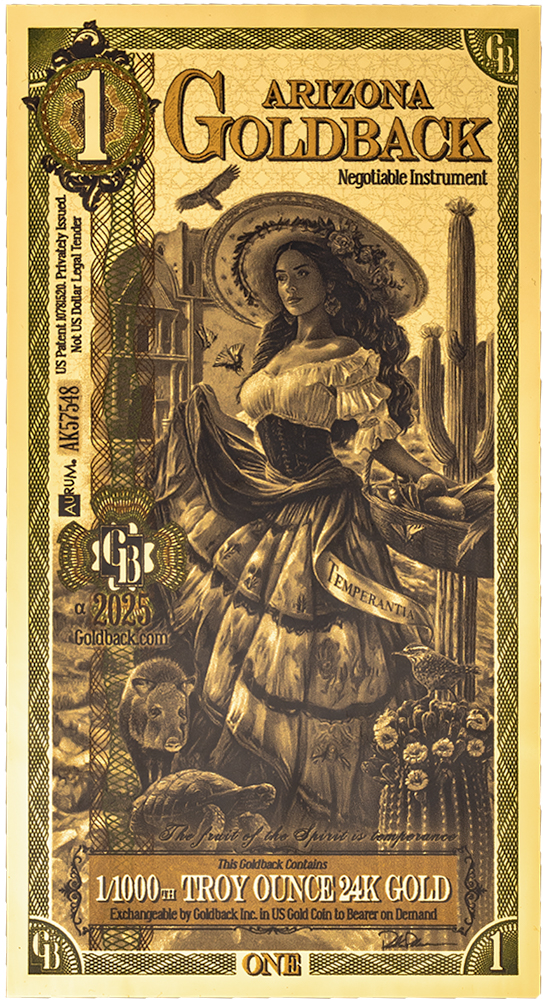
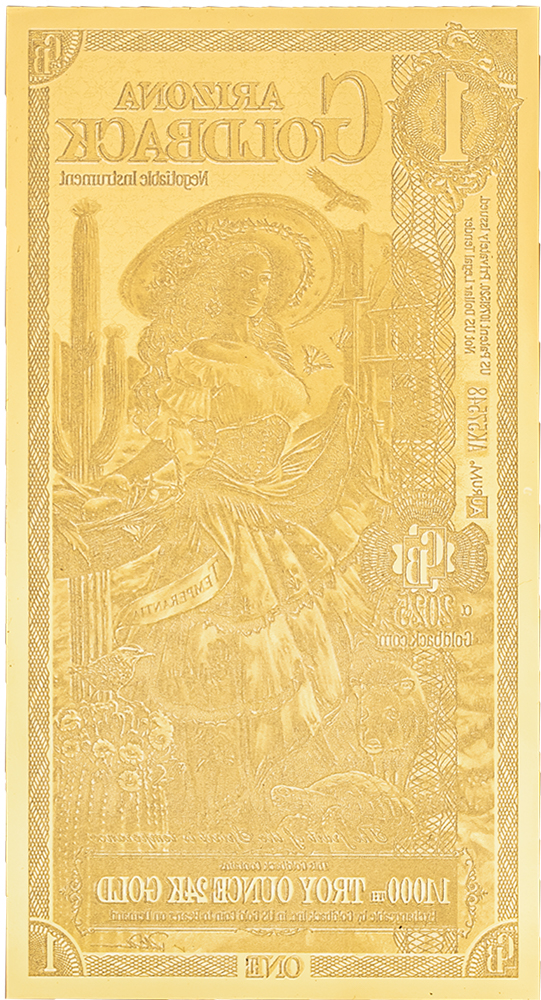
The 1 Arizona Goldback contains one one-thousandth of a troy ounce of .9999 fine gold, encapsulated in a durable, flexible polymer substrate. This may seem like a minuscule amount, but the precision and technology involved in manufacturing each note provide a level of artistry and utility not often found in traditional bullion products. The ultra-high purity of .9999 fine gold is on par with some of the most reputable gold bullion in the world, underscoring the Goldback’s legitimacy as a genuine precious metal product.
One of the most compelling aspects of the Goldback is its recognizability. Each note features intricate designs and anti-counterfeiting elements, making it easy for buyers, sellers, and collectors to identify and authenticate. This visual distinctiveness, coupled with a growing network of enthusiasts and dealers, has contributed to the Goldback’s market presence. For investors, recognizability is a key advantage, as it can support liquidity and foster trust in secondary market transactions.
Liquidity, or the ability to quickly convert an asset to cash, is a vital consideration in precious metals investing. Traditional gold coins and bars are generally liquid, but their higher denominations can sometimes limit their use in smaller transactions. The 1 Arizona Goldback offers a solution with its extremely small unit size. In theory, this allows for greater flexibility in selling or trading small increments of gold, potentially making it more practical for barter or micro-transactions. However, it is important to recognize that Goldbacks are still a relatively new product, and while their popularity is growing, they do not yet enjoy the same level of global market acceptance as generic bullion coins or bars.
A recurring question among investors is the premium paid over spot price. Goldbacks typically command a higher premium per ounce compared to generic bullion, especially when purchasing the smallest denominations like the 1 Arizona Goldback. This is due to the complex production process, artistic value, and limited economies of scale. While this premium reflects the unique qualities of the Goldback, it also means that the cost per unit of gold is significantly higher than that of larger bars or coins. For investors focused strictly on acquiring the most gold for their dollar, this is an important consideration.
Despite the higher premium, Goldbacks can play a distinct role in a diversified metals portfolio. Their small denomination and attractive design make them particularly well-suited for those interested in prepping, gifting, or experimenting with gold-backed barter. For collectors, the state-specific designs and serialized production add an element of numismatic interest. As with any collectible, the potential for premium appreciation exists, but investors should approach such prospects with caution and focus primarily on the product’s gold content and utility.
The Goldback’s portability is another practical advantage. The notes are lightweight, flexible, and easy to store or transport discreetly. Unlike traditional coins or bars, which can be cumbersome in large quantities, Goldback notes can be carried in a wallet or envelope, enabling discreet and convenient mobility. This feature may appeal to those who prioritize privacy or want to maintain a small, easily accessible reserve of physical gold.
However, no investment vehicle is without its drawbacks. The relatively high premium and limited market acceptance mean that liquidity, while better in small increments, is not guaranteed. Investors should also be mindful that the value of the Goldback is tied to the gold content, and the artistic or collectible premium can fluctuate over time. Additionally, as with all physical gold, secure storage and insurance are considerations that should not be overlooked.
In sum, the 1 Arizona Goldback Gold Note offers a novel way to participate in physical gold ownership. Its small size, recognizable design, and pure gold content provide advantages for those seeking flexibility and portability. On the other hand, the higher premium and developing secondary market may not appeal to all investors, especially those with a strict focus on bullion weight and resale efficiency. Like all precious metals products, the Goldback is best viewed as one component in a broader, thoughtfully constructed portfolio.
Investors considering the 1 Arizona Goldback should assess their goals, preferences, and risk tolerance. For some, the Goldback’s unique features will align well with their desire for divisible, portable, and visually appealing gold. For others, more traditional bullion may be a better fit. By understanding the strengths and limitations of this innovative product, investors can make informed decisions that support their long-term financial objectives.

