



Assessing the 1 Wyoming Goldback Gold Note: An Investment Perspective
Exploring Liquidity, Recognizability, Premiums, and Portfolio Considerations for the Modern Goldback Collector or Investor
The world of precious metals investment has long been dominated by traditional coins and bars, but recent years have seen a growing interest in alternative formats such as gold-backed notes. The 1 Wyoming Goldback Gold Note is a striking example of this trend, offering a unique combination of portability, divisibility, and artistry. For investors and collectors alike, this note represents a new approach to owning physical gold, and understanding its investment potential requires a closer look at its attributes, market role, and practical considerations.
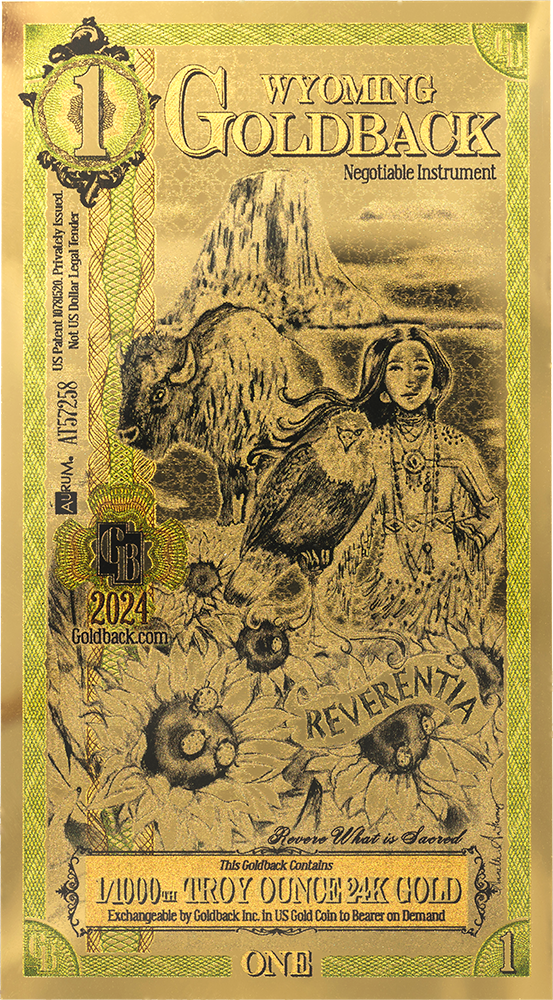
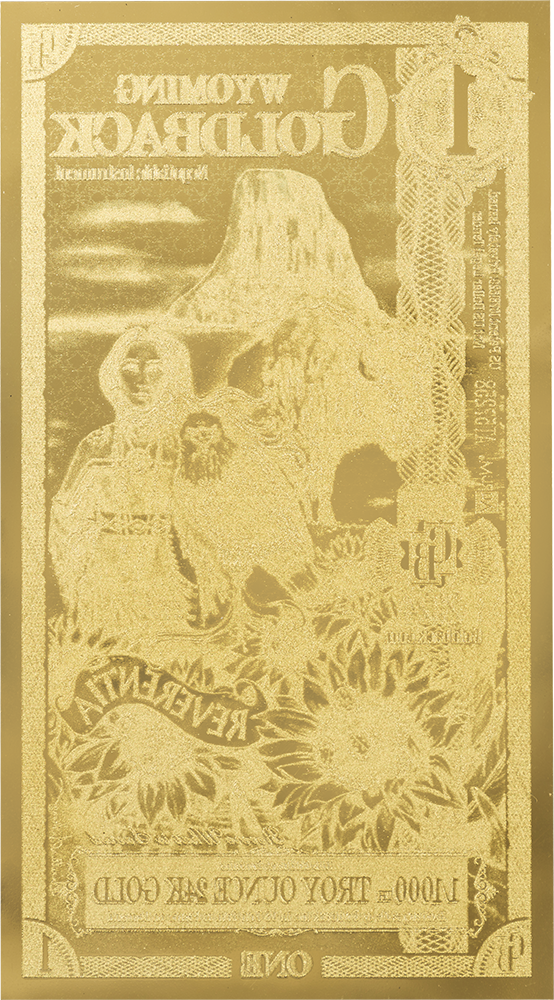
At its core, the Wyoming Goldback contains 0.001 troy ounces of pure gold, with an impressive .9999 fineness. This ultra-high purity assures buyers of the gold’s integrity, similar to what is found in the highest-tier bullion coins and bars. The precise layering of gold within a flexible, durable polymer substrate makes these notes both physically resilient and visually distinctive. Such technical innovation is more than an aesthetic choice; it enables practical everyday handling while preserving the intrinsic value of the gold itself.
Liquidity is a critical factor for any precious metals investment. Investors often seek assets that can be easily bought or sold without significant loss of value. The 1 Wyoming Goldback is not as universally recognized or traded as classic bullion coins like American Eagles or Maple Leafs. However, the Goldback series has steadily gained traction within the bullion community and among collectors, leading to increased market awareness. While it may not match the instant liquidity of global standard coins, its growing presence in the market and acceptance by select dealers help to mitigate concerns about resale.
Recognizability is closely tied to liquidity. The ornate, artistic designs of Goldbacks are distinctive, and the product’s innovative format stands out among more conventional gold products. For some, this uniqueness enhances appeal and collectibility; for others, it may pose a challenge when seeking to sell or trade quickly, especially outside of communities familiar with Goldbacks. Nonetheless, as the Goldback brand continues to expand, recognition is improving, particularly among those looking for highly divisible gold products.
One of the most discussed aspects of the 1 Wyoming Goldback is its premium over spot gold. Due to the advanced manufacturing process, limited production scale, and the minuscule gold content per note, premiums per ounce are significantly higher than those for generic bullion bars or coins. This means that, on a per-ounce basis, investors are paying a substantial markup for the benefits of divisibility, artistry, and novelty. For those seeking the lowest cost entry to physical gold, this may be a disadvantage. However, for buyers who value the ability to transact in small increments or who appreciate the cultural and aesthetic value, the premium can be justified.
From a portfolio perspective, the Wyoming Goldback can serve a distinctive role. Traditional investment logic favors large, cost-efficient bullion for core holdings. Yet, fractional and highly divisible forms of gold have practical advantages, particularly in situations where barter, gifting, or small-scale transactions are considered. Goldbacks offer an accessible way to hold and exchange tiny amounts of gold, potentially appealing to those interested in preparedness or alternative currencies. For collectors, the note’s unique Wyoming-themed design and serial numbering add another layer of appeal.
Despite these advantages, it is important to weigh the honest limitations. The high premium, as noted, reduces the efficiency for those seeking to accumulate gold strictly as a store of wealth. Goldbacks are also relatively new in the market, so their long-term resale value and market acceptance are less established compared to legacy bullion products. Storage is simple thanks to their size and durability, but buyers should take care to avoid creasing or damaging the note, as condition can affect resale value.
The 1 Wyoming Goldback is best suited as a supplemental holding rather than a portfolio cornerstone. For those with a foundational position in traditional bullion, Goldbacks offer diversification and optionality. They can be a conversation starter, a unique gift, or a practical tool for micro-transactions in gold. The choice to invest in Goldbacks should be informed by both personal goals and a realistic understanding of the product’s strengths and limitations.
Ultimately, the decision to include the 1 Wyoming Goldback Gold Note in a precious metals portfolio comes down to priorities. If liquidity and lowest-cost gold accumulation are paramount, standard coins and bars may be preferable. If divisibility, collectibility, and innovation hold appeal, Goldbacks bring something genuinely different to the table. As with any precious metals purchase, the key is to align the product’s features with your own investment philosophy and risk tolerance.
As the precious metals market continues to evolve, products like the Wyoming Goldback challenge conventional thinking about what gold ownership can look like. Their emergence highlights a broader trend toward flexibility, creativity, and accessibility in the world of physical gold. While not without their drawbacks, Goldbacks represent a thoughtful response to the changing needs and interests of today’s investors and collectors.
In summary, the 1 Wyoming Goldback Gold Note carves out a niche in the bullion landscape. It offers innovation and flexibility at a premium, with growing but still niche recognition. For those seeking to diversify their holdings with a product that balances practical function and unique design, it deserves consideration—provided the buyer is clear-eyed about its trade-offs and realistic about its role in a broader portfolio.

