


A Comprehensive Buying Guide to the 1 New Hampshire Goldback Gold Note
Understanding the Unique Attributes, Pricing, and Practical Considerations for the Discerning Precious Metals Collector
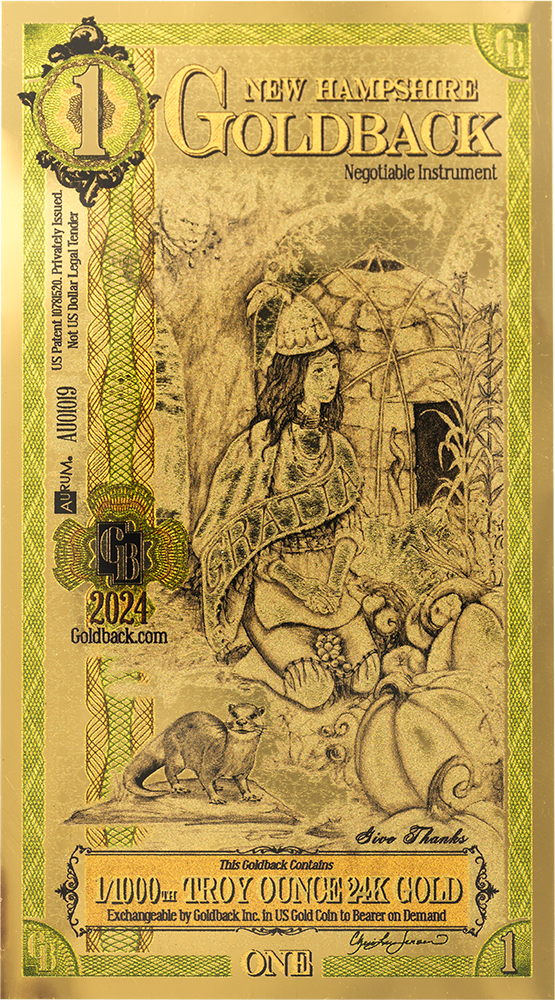
The 1 New Hampshire Goldback Gold Note stands out as a remarkable innovation in both gold investing and the realm of private currency. Unlike traditional bullion coins or bars, this product is a thin, flexible note made from pure 24-karat gold, carefully layered onto a polymer substrate for durability. Each note contains exactly 1/1000th of a troy ounce, or 0.001 troy ounces, of .9999 fine gold. This unique approach creates a tangible, divisible, and portable way to hold gold in small increments, which appeals to collectors, preparedness-minded individuals, and those interested in alternative currencies.
Goldbacks are designed to be spent or traded, but they also serve as accessible entry points for new gold buyers. The small amount of gold in each note makes the price per unit manageable, allowing individuals to start accumulating physical gold without needing a large upfront investment. For those who find the cost of a full ounce of gold prohibitive, the 1 Goldback note provides a practical way to participate in the gold market incrementally. This can be particularly useful for those intending to use gold for barter, gifts, or educational purposes.
The pricing of the 1 New Hampshire Goldback Gold Note is shaped by several factors, and understanding these is key for any buyer. Unlike standard bullion products that are typically priced closer to the gold spot price per ounce, Goldbacks carry a substantial premium. This premium reflects the intensive manufacturing process needed to embed such a small, exacting amount of pure gold into each note. The cost of creating a highly detailed, durable, and flexible gold note in increments as small as 1/1000th of an ounce is significantly higher, on a per-gram basis, than casting larger bars or minting coins.
Other elements influencing Goldback pricing include demand from collectors and users, the fluctuating price of gold on the open market, and the collectible appeal of specific series such as the New Hampshire edition. Goldbacks are not mass-produced at the scale of major bullion coins, so their limited availability can also impact premiums. When you purchase a 1 Goldback note, you are paying for both the gold content and the craftsmanship, as well as the potential utility as a barter instrument. The price, often starting around $8.44 per note, is several times the value of the gold it contains, but this reflects the unique value proposition Goldbacks offer.
Shipping and insurance are important considerations when buying small, high-value items like Goldbacks, even though they are much less bulky than traditional bullion. Most reputable dealers package Goldbacks securely in protective sleeves or envelopes to prevent damage during transit. Because the notes are light and flat, shipping costs are typically reasonable, especially when compared to heavier gold coins or bars. Orders are usually shipped via insured carriers, providing peace of mind that your investment is protected against loss or theft in transit.
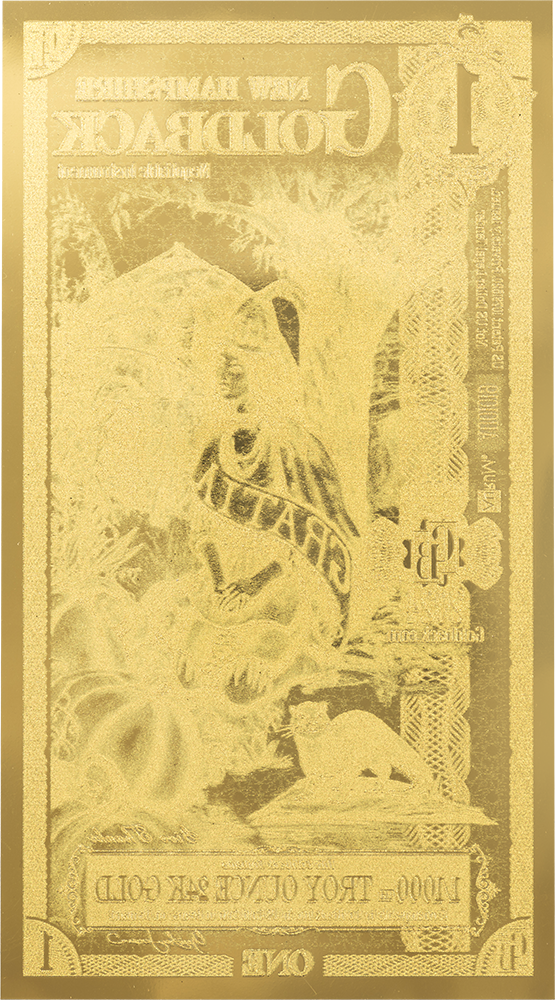
Upon delivery, buyers should inspect their Goldbacks carefully, ideally while recording unboxing for documentation. Authentic Goldbacks are visually distinct, featuring intricate, region-specific artwork and precise color and detail that is difficult to replicate. The polymer layering both protects the gold and makes the note flexible, but care should still be taken to avoid folding or creasing. For long-term storage, keeping Goldbacks in their original protective packaging or in archival-quality sleeves is recommended to maintain their condition and potential resale value.
Goldbacks occupy a unique position between bullion, collectibles, and private currency. Their appeal is not just in the intrinsic value of gold, but also in their utility as an alternative medium of exchange. Some communities and private businesses accept Goldbacks for goods and services, though this use is voluntary and not widespread. For most buyers, the Goldback serves as a conversation piece, a way to diversify a precious metals collection, or a gift that introduces others to the concept of sound money. It is also a practical choice for those who want to hold gold in denominations suitable for small-scale barter or trade.
For those considering Goldbacks as a long-term investment, it is important to understand the distinction between the price paid and the underlying gold value. While premiums can fluctuate, Goldbacks tend to retain their premium due to their unique characteristics and the ongoing demand from both collectors and users. However, they are not ideal for those seeking to acquire gold at the lowest possible cost per ounce. Instead, they shine as a niche product, providing liquidity, divisibility, and a tangible connection to gold’s enduring role as a store of value.
Buyers should also be aware of the resale market. Goldbacks can be resold to dealers or private parties, but the buyback price will typically be lower than the purchase price, reflecting the spread between wholesale and retail premiums. Nonetheless, their growing popularity and established reputation contribute to continued secondary market demand. As with any precious metals purchase, keeping documentation and original packaging can support resale and authentication.
In summary, the 1 New Hampshire Goldback Gold Note offers a novel and accessible way to own physical gold. Its blend of artistry, divisibility, and practical utility makes it an attractive choice for certain buyers. Understanding pricing, shipping protocols, and the unique attributes of Goldbacks will help ensure a positive and informed purchasing experience.

